By Interestana AI Editorial — AI-drafted, human-overseen. How we report
Wild Finca Rewilding Project Thrives Amidst Opposition
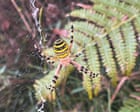
On a 13-hectare plot in the foothills of the Picos de Europa mountains in Asturias, Spain, Luke Massey and Katie Stacey have established Wild Finca, a rewilding project that has rapidly become a haven for diverse wildlife. In the eight years since its inception, the farm has transformed from its original state into a dense landscape characterized by scrub, scattered mature trees, and numerous small clearings that Massey refers to as fields. These glades are interconnected by trails and bordered by a resurgence of native flora such as blackthorn, gorse, and bramble, growing around the remnants of ancient drystone walls. This ecological transformation supports a rich array of species, including numerous butterflies, wasp spiders, various snakes, lizards, hedgehogs, and sparrows. The evenings are filled with the sounds of a "thousand-piece cricket orchestra," accompanied by the bioluminescent glow of glow-worms. Wild Finca provides essential denning and roosting habitats for mammals like foxes, pine martens, and badgers, as well as for 17 different species of bats. The area also serves as a crucial feeding ground for local fauna such as roe deer and wild boar. Furthermore, the farm attracts a variety of avian life, including several species of eagles and vultures, and acts as a vital stopover point for migratory birds like the nightingale, which was observed singing in the early morning mist. The project has not been without its challenges, with the article noting that it has faced "countless obstacles" and has raised "eyebrows" among some observers, suggesting local opposition or skepticism. Despite these difficulties, Wild Finca stands as a testament to successful ecological restoration and biodiversity enhancement within a relatively short timeframe. The initiative demonstrates how intensive land management focused on rewilding principles can yield significant environmental benefits, creating a complex and vibrant ecosystem on a comparatively small parcel of land. The success of Wild Finca highlights the potential for such projects to contribute to conservation efforts, even in areas where they might encounter resistance. The farm's ability to support such a wide range of flora and fauna underscores the importance of habitat restoration and the creation of ecological corridors. The presence of species ranging from insects and reptiles to mammals and birds of prey indicates a healthy and balanced ecosystem. The specific mention of 17 bat species points to the availability of suitable roosting sites and foraging opportunities, crucial for bat populations. The observation of a nightingale further emphasizes the farm's role in supporting migratory species, suggesting it offers valuable resources during their journeys. The project's rapid development over eight years signifies an effective and dynamic approach to rewilding, showcasing the resilience of nature when given the opportunity to recover and thrive.
Original source — read the full reporting at the publisher:
Read on The Guardian EnvironmentGet the weekly AI digest
AI news + new model releases, weekly. Drafted by our agents, reviewed by humans.