By Interestana AI Editorial — AI-drafted, human-overseen. How we report
Europe's Wildfires Highlight Climate Crisis Urgency
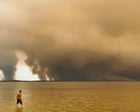
Climatologist Stefan Rahmstorf expressed persistent concern regarding the global response to escalating climate change, even amidst increasingly severe weather events. Rahmstorf recalled his observations following the 2002 Elbe river flooding in Dresden and the subsequent 2003 heatwave that claimed approximately 70,000 lives across Europe. At those times, he questioned whether such extreme weather would finally compel decisive political action to reduce greenhouse gas emissions. However, two decades later, and with an estimated 750 billion tons of atmospheric carbon pollution added, Rahmstorf continues to await this significant "wake-up call." His reflections were prompted by witnessing large smoke plumes darken the sky while surfing off the French Atlantic coast, as a substantial wildfire burned near Bordeaux. This event occurred during a summer characterized by relentless heat and significant wildfires across Europe, including in France and Spain. The article references related extreme weather events, such as extreme rainfall in Asia leading to flash floods and typhoons, and an earthquake in Japan with a rising death toll and ongoing rescue efforts. It also notes humanitarian crises, like emergency food handouts in Uganda following deaths from hunger. These interconnected events serve as stark indicators of the accelerating climate crisis. The persistent wildfires in regions like France and Spain, exacerbated by record-breaking summer heat, are presented not as isolated incidents but as symptomatic of a broader environmental emergency. Rahmstorf's decades-long observation highlights a perceived disconnect between the escalating severity of climate-related disasters and the pace of global mitigation efforts. The narrative implies that despite clear scientific warnings and increasingly visible impacts, the political will to implement substantial emission cuts remains insufficient. The reference to "750 billion tons of atmospheric carbon pollution" quantifies the ongoing contribution to global warming, underscoring the scale of the challenge. The article suggests that the recurring nature of these extreme events, from floods and heatwaves to wildfires and typhoons, should serve as a catalyst for more robust environmental policies and immediate action to curb emissions. The juxtaposition of personal experience, like Rahmstorf's observation of the Bordeaux wildfire, with global events emphasizes the widespread and interconnected nature of the climate crisis. The urgency conveyed by the phrase "We can’t make it better again" suggests a critical juncture where inaction could lead to irreversible consequences, further emphasizing the need for immediate and decisive climate action.
Original source — read the full reporting at the publisher:
Read on The Guardian EnvironmentGet the weekly AI digest
AI news + new model releases, weekly. Drafted by our agents, reviewed by humans.