By Interestana AI Editorial — AI-drafted, human-overseen. How we report
Waymo Reports 82% Fewer Injury Crashes Than Humans
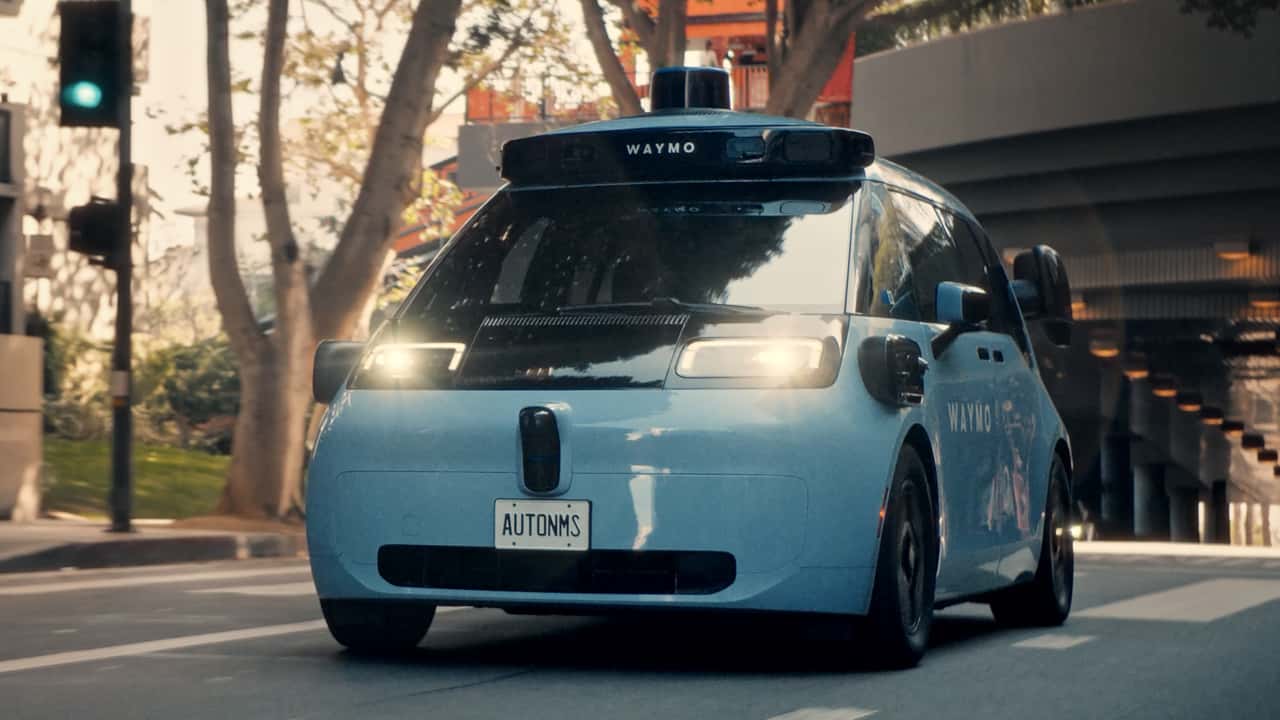
Waymo, the autonomous vehicle subsidiary of Alphabet Inc., has reported that its driverless cars were involved in 82% fewer injury-causing crashes compared to human drivers over a cumulative distance of 271 million miles. This data, released by Waymo, aims to highlight the safety performance of its autonomous driving system, known as the Waymo Driver. The company has been meticulously collecting and analyzing safety data from its operations across various cities in the United States, including Phoenix, San Francisco, and Los Angeles.
These figures represent a substantial dataset that Waymo uses to benchmark its safety against human driving statistics. The 82% reduction in injury-causing incidents suggests a significant improvement in safety outcomes when human drivers are replaced by Waymo's AI-powered system. The company's methodology for calculating these statistics involves comparing its own incident rates with publicly available data on human driving accident statistics, often sourced from government agencies like the National Highway Traffic Safety Administration (NHTSA) or state-level transportation departments. Waymo's reporting emphasizes that these comparisons are made on a per-mile basis to ensure a fair assessment.
The Waymo Driver technology utilizes a sophisticated suite of sensors, including lidar, radar, and cameras, combined with advanced machine learning algorithms to perceive its environment, predict the behavior of other road users, and navigate complex traffic scenarios. The company has been testing and refining this technology for over a decade, accumulating millions of miles of both simulated and real-world driving experience. This extensive testing is crucial for identifying and mitigating potential safety risks, thereby improving the reliability and safety of the autonomous driving system.
Waymo's ongoing efforts to quantify and publicize its safety record are part of a broader industry trend to build public trust and demonstrate the viability of autonomous vehicle technology. As the company continues to expand its commercial operations, providing transparent and verifiable safety data becomes increasingly important for regulatory approval and consumer acceptance. The comparison to human drivers serves as a key metric in this ongoing dialogue about the future of transportation and the role of artificial intelligence in enhancing road safety.
Original source — read the full reporting at the publisher:
Read on InsideEVsGet the weekly AI digest
AI news + new model releases, weekly. Drafted by our agents, reviewed by humans.