By Interestana AI Editorial — AI-drafted, human-overseen. How we report
Tesla Begins Semi Electric Truck Deliveries After Decade Delay
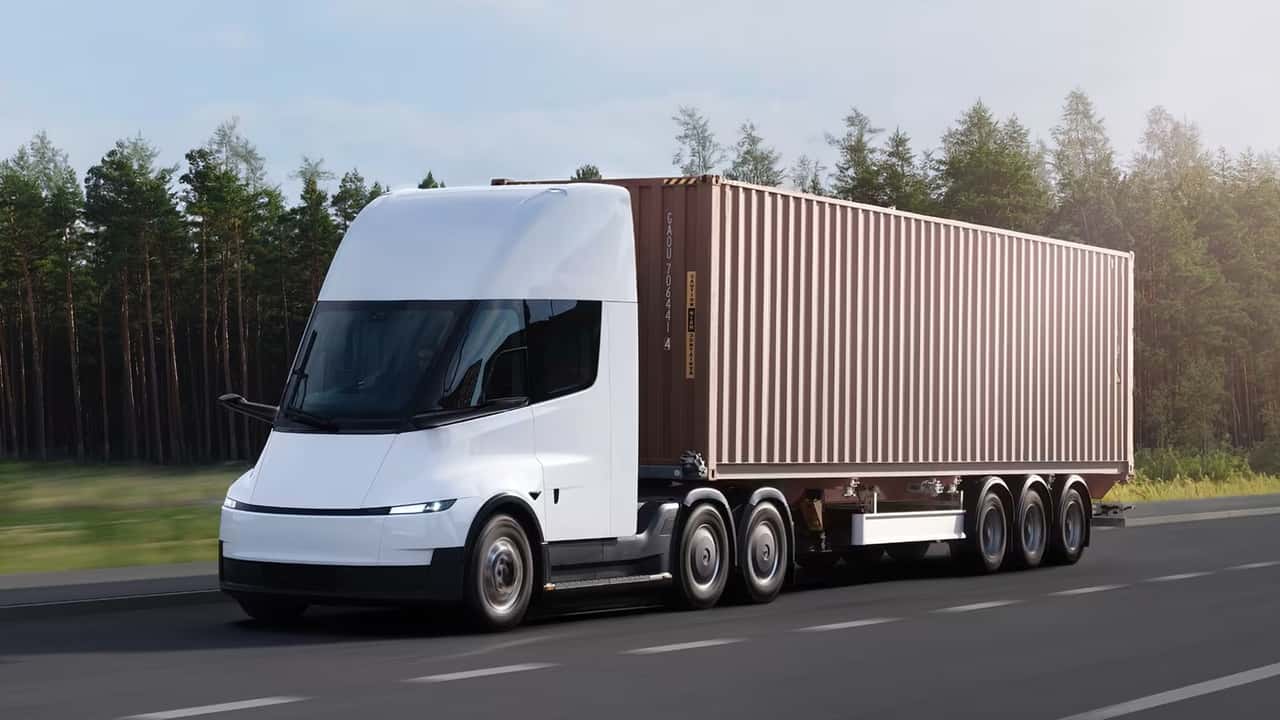
Tesla has officially begun deliveries of its Semi electric truck, a decade after the vehicle was first unveiled. The commencement of production and delivery marks a pivotal moment for the company's heavy-duty electric vehicle ambitions. The Semi is designed to compete in the long-haul trucking sector, an area traditionally dominated by diesel-powered vehicles. Tesla's entry into this market aims to offer a more sustainable and potentially cost-effective alternative for fleet operators.
The development of the Tesla Semi has been a protracted process, with initial prototypes shown in 2017. The company has faced numerous production challenges and delays, common in the complex manufacturing of heavy-duty trucks. However, the recent start of deliveries indicates that Tesla has overcome some of these hurdles. The exact number of trucks delivered or the production capacity at this initial stage has not been fully disclosed by Tesla, but the company has stated that volume production has commenced. This suggests a ramp-up phase is underway, with the intention to scale up manufacturing significantly over time.
The timing of the Semi's launch coincides with a period of rising diesel prices, which could make the operational cost savings of an electric truck more appealing to businesses. High fuel costs have been a persistent concern for trucking companies, impacting profitability and supply chain economics. By offering an electric alternative, Tesla aims to provide a solution that reduces reliance on volatile fossil fuel markets and potentially lowers the total cost of ownership for fleet operators through reduced energy and maintenance expenses. The Semi is engineered for efficiency and range, targeting the demanding requirements of long-distance freight transport.
Tesla's foray into the electric truck market places it in competition with established truck manufacturers who are also developing their own electric and alternative fuel offerings. The success of the Semi will depend on its ability to meet the performance, reliability, and economic expectations of the trucking industry. Factors such as charging infrastructure availability, battery longevity, and the overall purchase price will be critical determinants of its market penetration. The company's ability to scale production effectively will also be a key indicator of its long-term viability in this segment. The commencement of deliveries is the first step in proving the Semi's capabilities and market readiness.
Original source — read the full reporting at the publisher:
Read on InsideEVsGet the weekly AI digest
AI news + new model releases, weekly. Drafted by our agents, reviewed by humans.