By Interestana AI Editorial — AI-drafted, human-overseen. How we report
Parents' Disagreements Can Teach Kids Interpersonal Skills
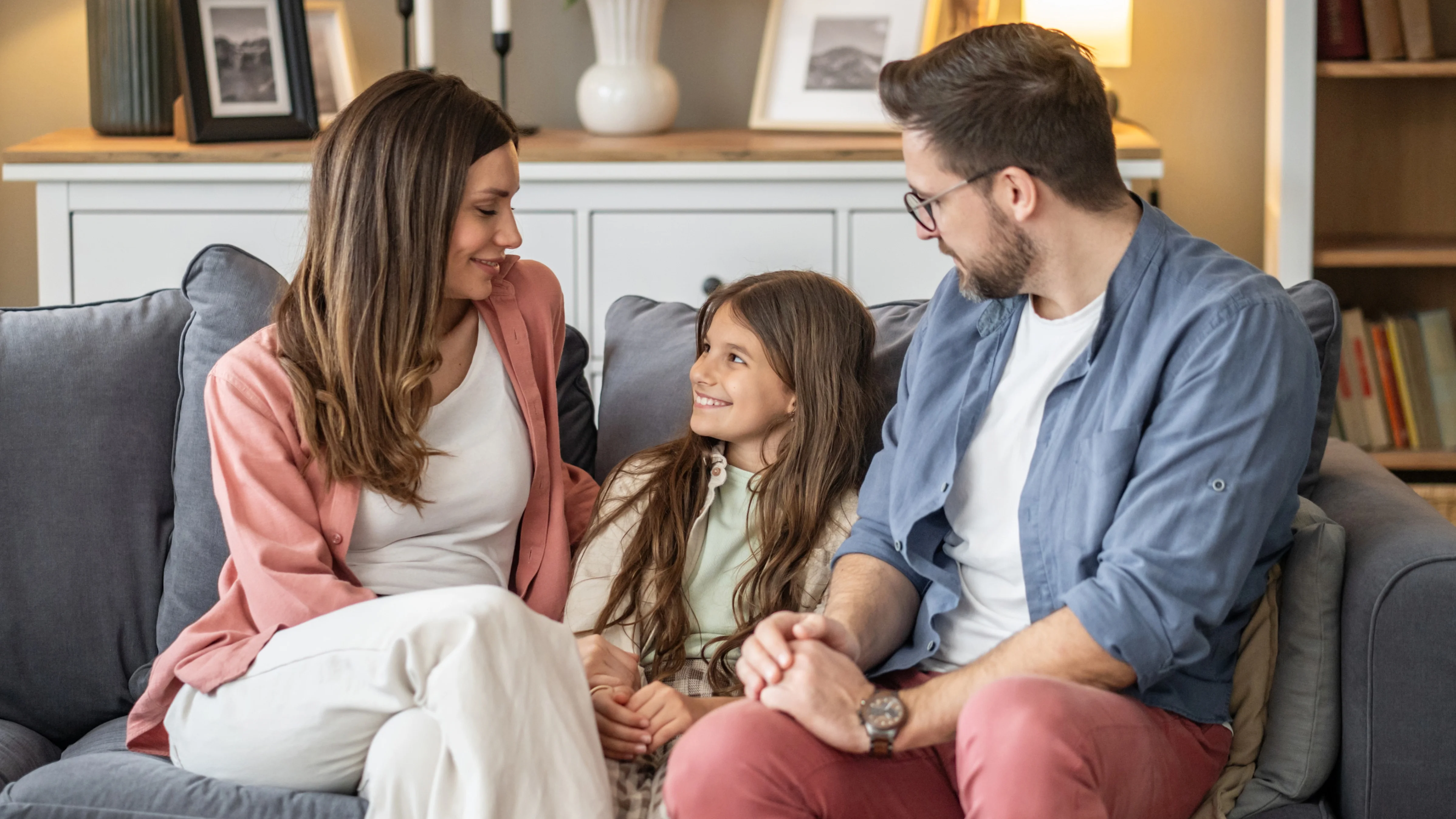
Children can develop enhanced interpersonal skills by witnessing their parents engage in and resolve disagreements respectfully, according to scientific research. This observation process allows children to internalize constructive conflict resolution strategies, which are crucial for navigating social interactions throughout their lives. The key lies not in avoiding conflict altogether, but in demonstrating how to manage disagreements in a manner that is both reasonable and respectful. Such displays provide a tangible model for children, illustrating empathy, active listening, and compromise in action. When parents can articulate their differing viewpoints without resorting to personal attacks or emotional outbursts, they are effectively teaching their children how to communicate effectively under pressure. This learned behavior extends beyond familial relationships, influencing how children interact with peers, teachers, and eventually colleagues in their professional lives. The ability to understand and respond to differing opinions is a cornerstone of emotional intelligence and social competence. Research suggests that children who are exposed to healthy conflict resolution are less likely to exhibit aggressive behaviors and more likely to develop strong problem-solving abilities. They learn that disagreements are a natural part of human interaction and that they can be overcome constructively. This contrasts with environments where conflict is either suppressed, leading to unaddressed resentments, or handled destructively, teaching children maladaptive coping mechanisms. The long-term implications of this early learning are significant, contributing to the development of resilient individuals capable of forming and maintaining healthy relationships. By modeling thoughtful negotiation and mutual respect during disputes, parents equip their children with essential tools for social and emotional well-being, fostering a generation that is better prepared to engage with the complexities of human connection. The process involves parents consciously demonstrating how to de-escalate tension, find common ground, and acknowledge the validity of another person's perspective, even when it differs from their own. This practical, lived experience provides a more profound lesson than any theoretical instruction could offer, embedding these skills deeply within a child's developing understanding of social dynamics. Ultimately, the way parents handle their differences serves as a powerful, ongoing curriculum in interpersonal skills for their children, shaping their capacity for empathy, communication, and relationship building.
Original source — read the full reporting at the publisher:
Read on Inc.Get the weekly AI digest
AI news + new model releases, weekly. Drafted by our agents, reviewed by humans.