By Interestana AI Editorial — AI-drafted, human-overseen. How we report
Republican Law Won't Block Humanities Majors From Student Loans
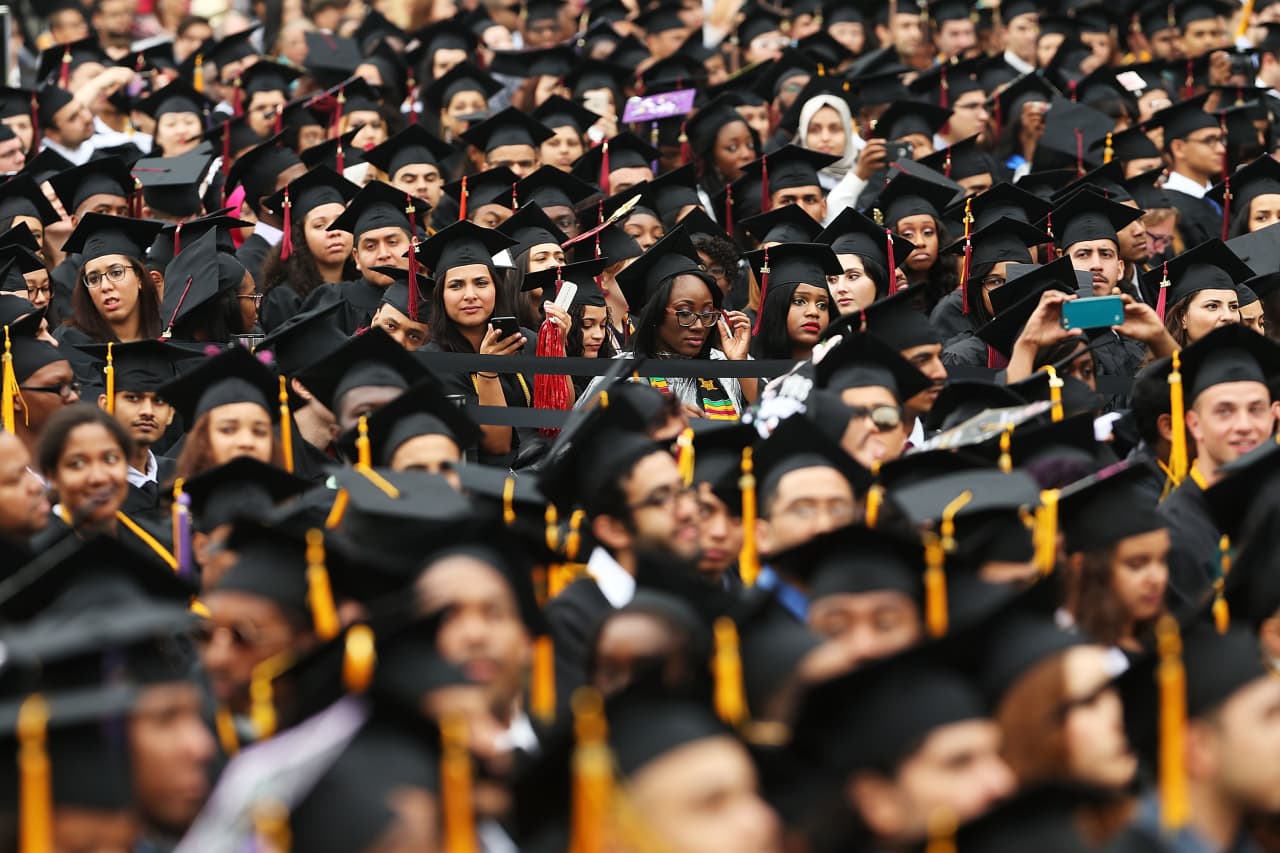
Republican lawmakers have introduced legislation that will not prevent students pursuing degrees in humanities, such as poetry, from accessing federal student loans. This development comes as the U.S. Department of Education implements new regulations designed to hold institutions of higher education accountable for the financial outcomes of their graduates. The "Program Integrity and Accountability" rules, finalized in October 2023 and taking effect July 1, 2024, establish new standards for federal student aid eligibility. These rules are intended to protect students from predatory practices and ensure that federal funding is directed towards programs that provide a reasonable return on investment for graduates.
Under the new regulations, programs will be evaluated based on metrics such as graduate earnings, student loan debt, and repayment rates. Specifically, programs that consistently fail to meet certain thresholds for these metrics may lose eligibility for federal student aid. The Department of Education has set specific benchmarks, including a requirement that the average annual earnings of program completers must be at least $35,000, and that the average debt burden for completers must not exceed 8% of their annual earnings. Furthermore, at least 35% of completers must be earning more than a typical high school graduate in their state.
Despite concerns that these accountability measures might disproportionately affect programs in the arts and humanities, which historically may have lower starting salaries compared to fields like engineering or computer science, the legislation explicitly states that these programs will not be automatically disqualified. The focus is on the overall financial viability and student outcomes, rather than the specific major. This approach aims to provide a more nuanced evaluation, recognizing that career paths and earning potential can vary widely even within the same broad field. The Department of Education has emphasized that the rules are designed to be flexible and consider various factors, including the cost of living in different regions and the typical career progression for graduates in specific fields.
The new rules represent a significant shift in federal oversight of higher education, moving towards a performance-based accountability system. Previously, eligibility for federal student aid was largely based on institutional accreditation and adherence to basic administrative requirements. The "Program Integrity and Accountability" rules introduce a more direct link between program quality, student success, and access to financial aid. This aims to provide greater transparency for prospective students and their families, enabling them to make more informed decisions about their educational investments. The Department of Education has indicated that it will provide resources and guidance to institutions to help them understand and comply with the new regulations, while also ensuring robust enforcement to protect student borrowers.
Original source — read the full reporting at the publisher:
Read on MarketWatchGet the weekly AI digest
AI news + new model releases, weekly. Drafted by our agents, reviewed by humans.