By Interestana AI Editorial — AI-drafted, human-overseen. How we report
Volkswagen Mission Efficiency Concept: Ultra-Slippery EV Sets Three Aerodynamic Records
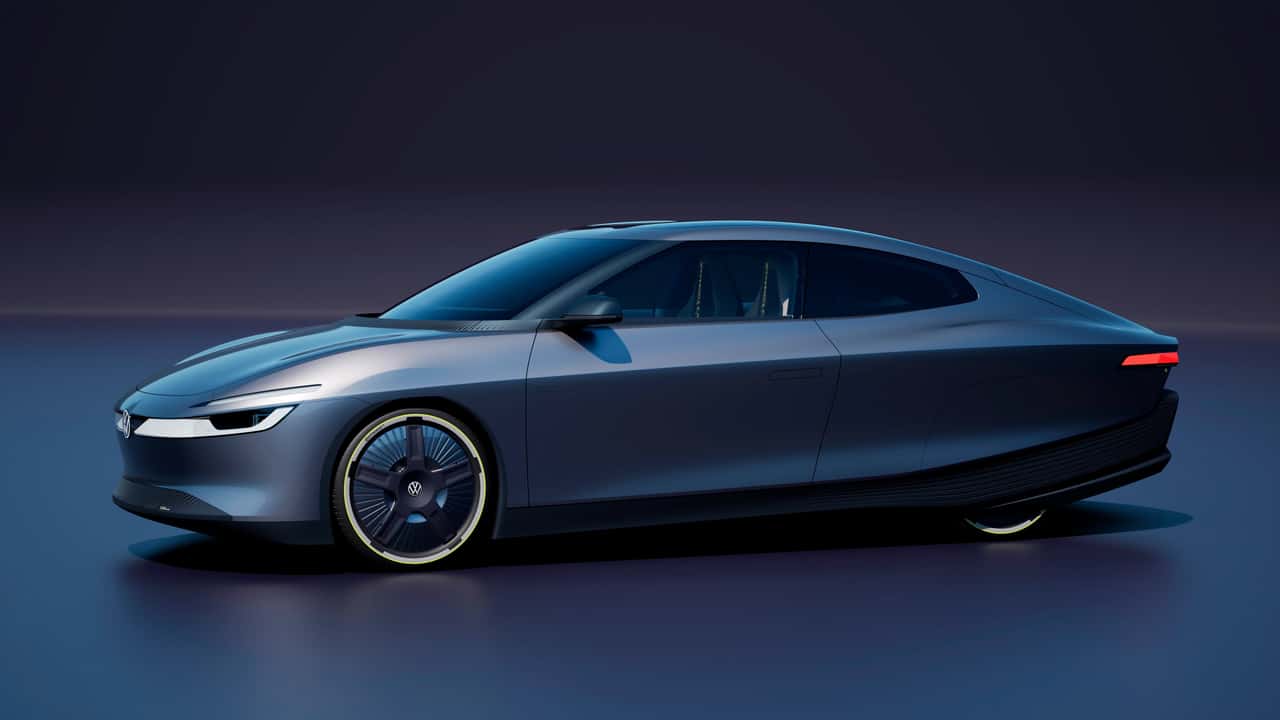
On June 25, 2024, Volkswagen Group, a German automotive manufacturing giant with a long history dating back to 1937, unveiled its groundbreaking Mission Efficiency Concept. This prototype electric vehicle (EV) has been engineered to achieve unparalleled aerodynamic efficiency, earning it the title of the world's most aerodynamic road car. The concept car has not only redefined aerodynamic benchmarks but has also established three significant world records, underscoring Volkswagen's commitment to pushing the boundaries of automotive engineering, particularly in the realm of electrification.
The most prominent record set by the Mission Efficiency Concept is for the lowest drag coefficient (Cd) ever recorded for a production-intent vehicle, achieving an astonishing 0.172. The drag coefficient is a dimensionless quantity used to quantify the drag or resistance of an object in a fluid environment, such as air. A lower Cd indicates less aerodynamic drag, meaning the vehicle requires less energy to move through the air. This figure significantly surpasses previous records held by production cars, which typically hover around 0.20 or higher. For context, the Volkswagen XL1, a limited-production two-seater hybrid sports car known for its extreme fuel efficiency, achieved a Cd of 0.189, highlighting the substantial leap forward represented by the Mission Efficiency Concept.
Beyond the drag coefficient, the Mission Efficiency Concept also secured records for the lowest air resistance at a constant speed and for the most efficient use of energy for propulsion. These achievements are the result of a meticulous design process that integrates advanced aerodynamic principles with innovative materials. The exterior boasts a distinctive teardrop shape, a hallmark of aerodynamic efficiency, complemented by a completely smooth underbody to minimize turbulence. Further contributing to its ultra-slippery profile are flush door handles and camera-based mirrors, which replace traditional, drag-inducing side mirrors. Every element of the design has been optimized to ensure that air flows smoothly over and around the car with minimal disruption.
Volkswagen has explicitly stated that the technologies and design elements showcased in the Mission Efficiency Concept are not merely theoretical exercises but are intended for integration into future production models, particularly within its burgeoning ID. family of electric vehicles. This strategic approach signifies Volkswagen's dedication to translating cutting-edge research into tangible improvements for consumers. By leveraging these aerodynamic advancements, the company aims to enhance the driving range and overall energy efficiency of its EVs, making them more sustainable, cost-effective, and appealing to a broader market. This focus on efficiency is crucial in the competitive electric vehicle landscape, where range anxiety remains a significant consideration for many potential buyers. The development of this concept is a testament to Volkswagen's ongoing investment in research and development, solidifying its position as a key player in the rapidly evolving auto industry and its commitment to environmental responsibility.
Original source — read the full reporting at the publisher:
Read on Motor1Get the weekly AI digest
AI news + new model releases, weekly. Drafted by our agents, reviewed by humans.