By Interestana AI Editorial — AI-drafted, human-overseen. How we report
Trump Open To Chinese Auto Plants In US
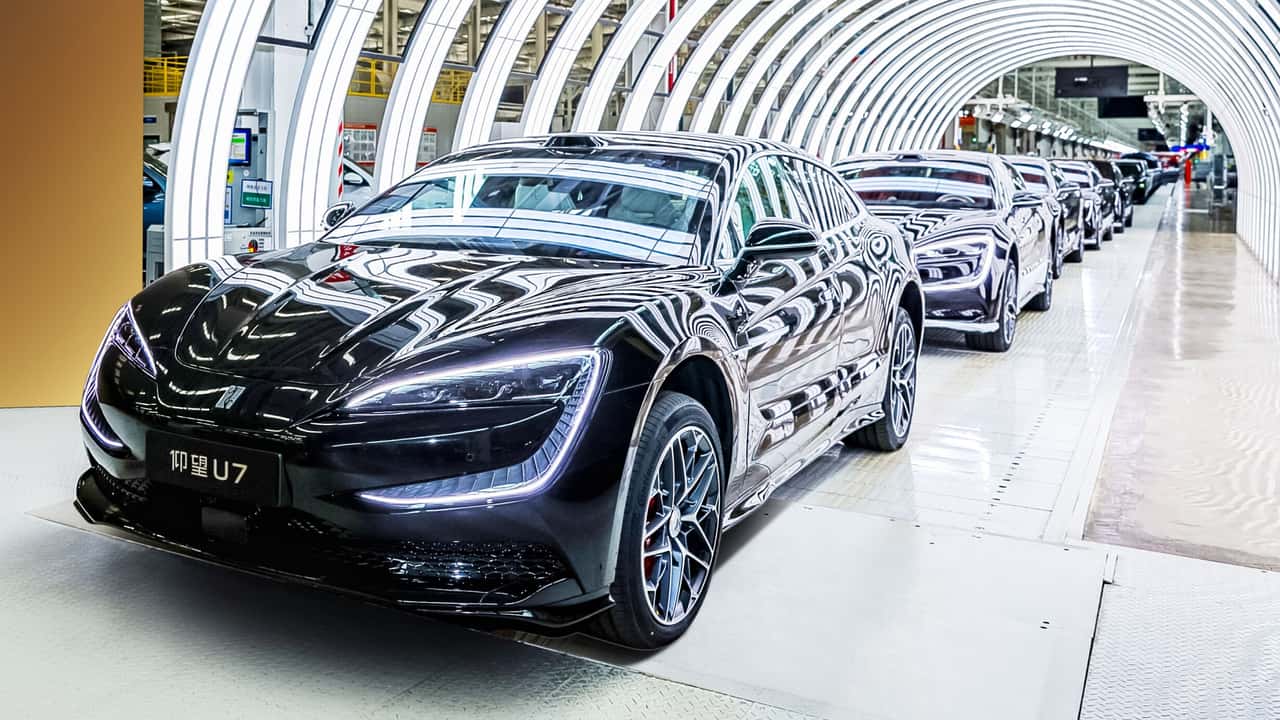
Former U.S. President Donald Trump has signaled a potential shift in his stance regarding Chinese automotive manufacturing, suggesting he might permit Chinese automakers to establish production facilities within the United States. This potential allowance would be contingent on these plants utilizing American labor for manufacturing. However, Trump reiterated his commitment to blocking the importation of vehicles that are manufactured in China and then shipped to the U.S. market. This nuanced position was articulated in the lead-up to a planned meeting with Chinese President Xi Jinping, indicating a strategic approach to trade and manufacturing policy that prioritizes domestic job creation while addressing concerns about foreign-made goods.
The former president's approach appears to differentiate between direct vehicle imports, which he aims to restrict, and foreign direct investment in U.S. manufacturing. By allowing Chinese companies to build factories on American soil and employ American workers, Trump suggests a pathway for these companies to access the U.S. market without directly competing with imported Chinese vehicles. This strategy could be seen as an attempt to balance economic engagement with protectionist sentiments, aiming to secure manufacturing jobs and potentially bolster domestic industrial capacity. The specifics of any such arrangement, including regulatory oversight and labor standards, remain to be detailed.
This development comes at a time of ongoing trade tensions and strategic competition between the United States and China, particularly in key industrial sectors like automotive manufacturing. The automotive industry is a significant component of the U.S. economy, and decisions regarding foreign investment and trade policies have substantial implications for employment, technological development, and national security. Trump's past policies often involved tariffs and trade barriers aimed at protecting American industries, and this latest statement suggests a potential recalibration of those tactics, focusing on incentivizing domestic production over outright import bans for certain goods. The timing, preceding a potential meeting with President Xi, suggests an effort to set the agenda for future bilateral discussions on economic matters.
The implications of allowing Chinese automakers to build U.S. plants are multifaceted. Proponents might argue it could lead to job creation, technology transfer, and increased competition benefiting consumers. Critics, however, may raise concerns about national security, intellectual property protection, and the long-term impact on American automotive companies. The U.S. government, under any administration, faces the challenge of navigating these complex economic and geopolitical considerations. Trump's stated position indicates a willingness to explore unconventional approaches to trade policy, prioritizing tangible manufacturing presence within the U.S. borders.
Original source — read the full reporting at the publisher:
Read on Motor1Get the weekly AI digest
AI news + new model releases, weekly. Drafted by our agents, reviewed by humans.