By Interestana AI Editorial — AI-drafted, human-overseen. How we report
Volvo Drops Lidar on EX90, ES90, Offers Owner Compensation
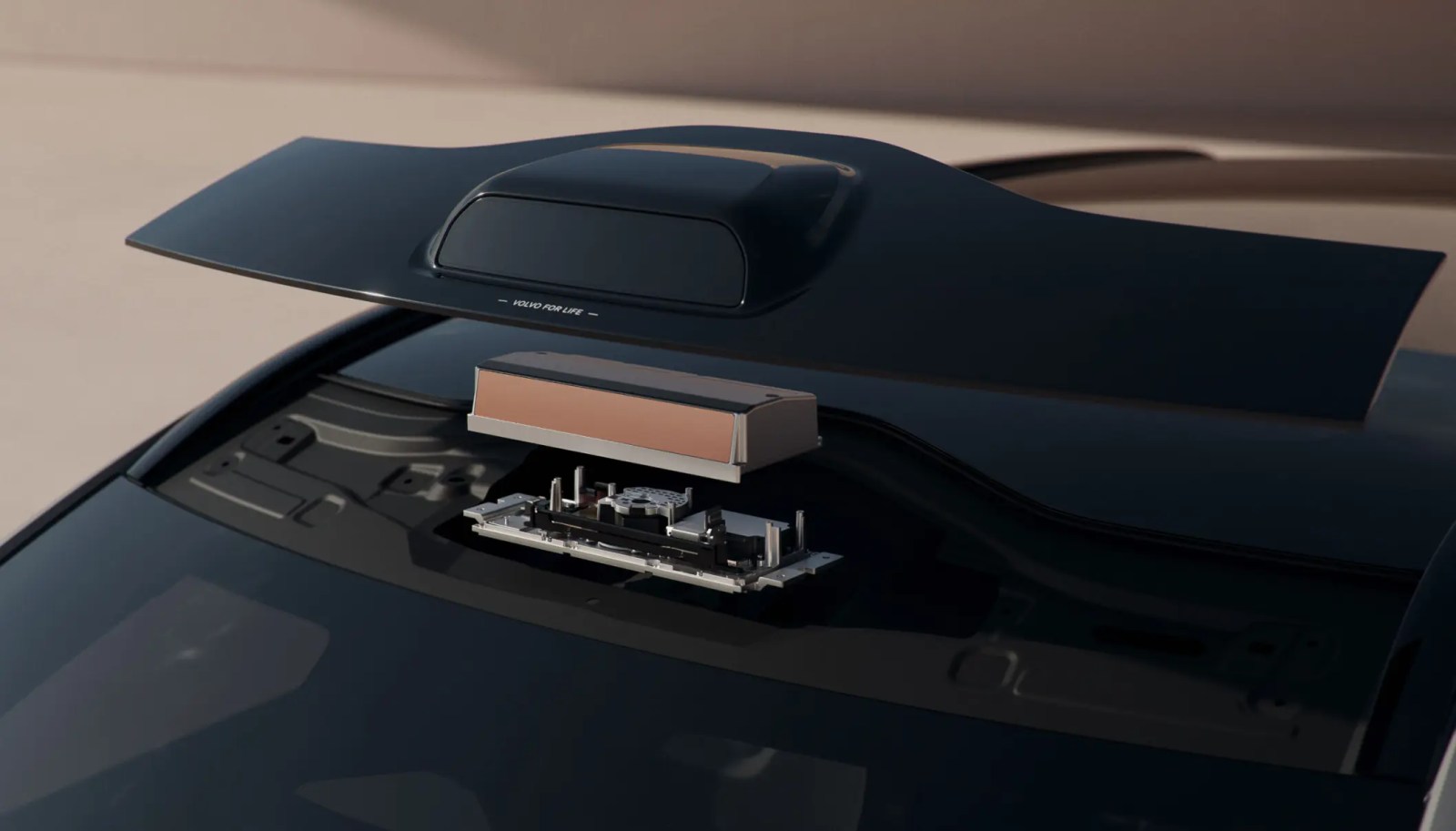
Volvo has officially confirmed its decision to permanently remove lidar technology from its upcoming EX90 and ES90 electric vehicle models. This strategic shift means that customers who purchased or pre-ordered these vehicles, expecting lidar as a feature, will now receive compensation. In Norway, for instance, affected owners are being compensated with NOK 18,000, which equates to approximately $1,900 USD per vehicle. This payout is part of a broader compensation plan being implemented across various markets as Volvo discontinues its relationship with its lidar supplier, Luminar.
The decision to abandon lidar, a sensor technology crucial for advanced driver-assistance systems (ADAS) and autonomous driving by providing precise depth perception and object detection, marks a significant pivot for Volvo. The company had initially positioned lidar as a key component for its next-generation safety and autonomous capabilities, particularly for the EX90, which was unveiled in late 2022. The EX90 is Volvo's flagship electric SUV, designed to showcase the brand's latest advancements in safety, sustainability, and technology, with lidar initially intended to enhance its "Ride Pilot" autonomous driving system. The ES90 is expected to be a large electric sedan, also incorporating advanced safety features.
Volvo's rationale for this change is attributed to a revised assessment of the technology's necessity and the emergence of alternative sensor fusion strategies. The company now believes that its advanced camera and radar systems, combined with sophisticated software algorithms, can achieve the desired level of safety and driver assistance without the need for lidar. This approach, often referred to as "vision-based" or "sensor fusion" without lidar, is a growing trend in the automotive industry, with some manufacturers opting for more cost-effective and integrated sensor suites. The move away from Luminar, a prominent lidar manufacturer, suggests Volvo is consolidating its technology stack and potentially seeking a more integrated solution from a different partner or through in-house development.
The compensation offered to owners varies by market, reflecting different regulatory environments and consumer expectations. While the Norwegian payout is specified, other markets will have their own compensation structures. This move is likely to impact customer satisfaction, as some buyers may have specifically chosen these models based on the promised lidar technology. Volvo's commitment to transparency and customer redress through compensation aims to mitigate potential backlash. The company's future strategy appears to prioritize a robust suite of cameras and radar, coupled with advanced AI and software, to deliver its vision for safe and autonomous driving, rather than relying on lidar as a primary sensor for these functions in its latest models.
Original source — read the full reporting at the publisher:
Read on ElectrekGet the weekly AI digest
AI news + new model releases, weekly. Drafted by our agents, reviewed by humans.