By Interestana AI Editorial — AI-drafted, human-overseen. How we report
Trump's AI Policy Ignores Lawmaker Concerns
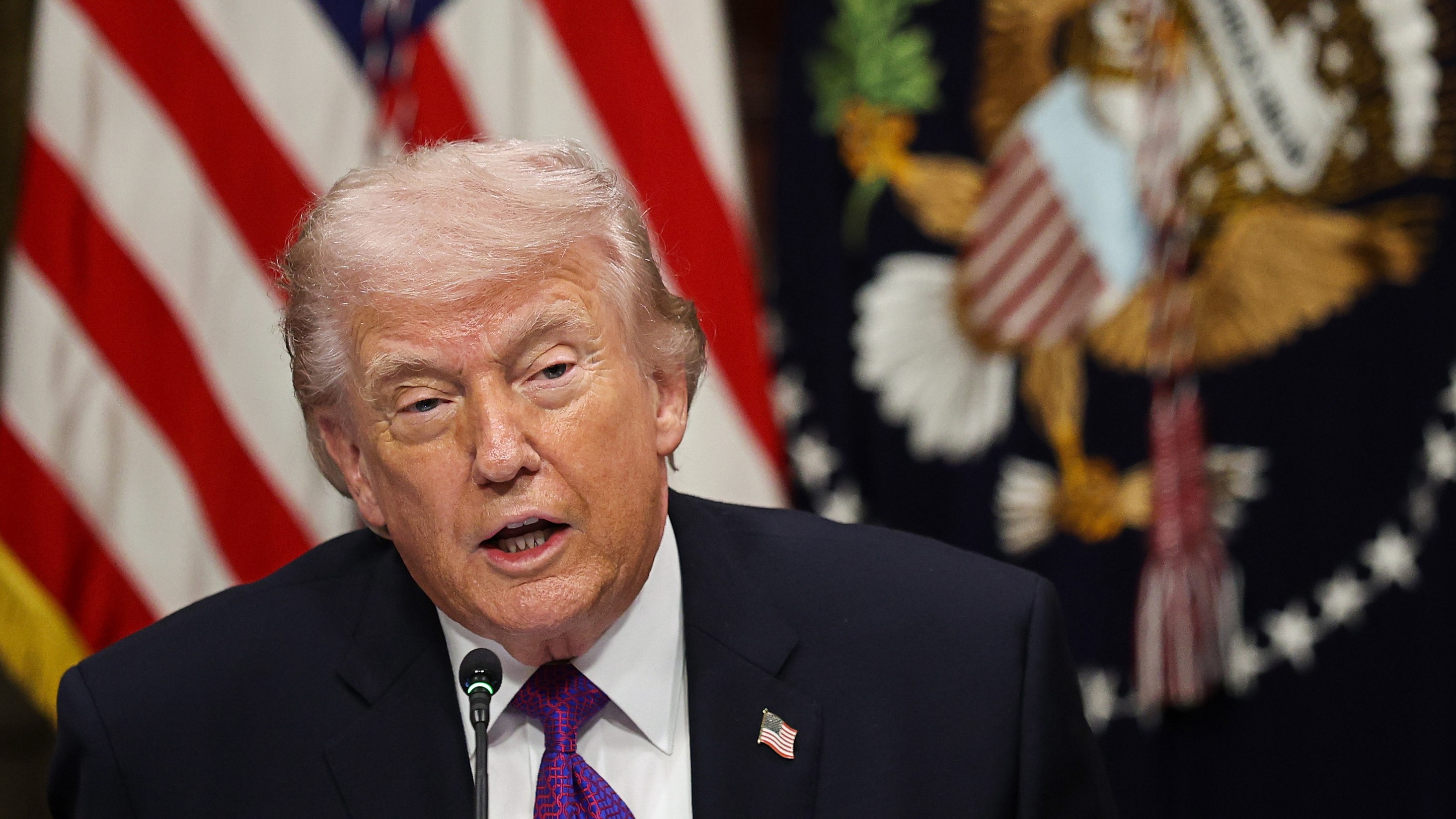
President Donald Trump's administration has largely adopted a laissez-faire approach to artificial intelligence (AI) regulation, a stance that has drawn concern from lawmakers across the political spectrum. This policy direction contrasts with growing calls for federal oversight and intervention in the rapidly evolving AI landscape. The administration's perspective, as outlined in various statements and policy documents, emphasizes fostering innovation and economic growth through minimal government interference. This approach prioritizes market-driven solutions and voluntary industry standards over prescriptive regulations. However, this "see-no-evil" policy has not gone unnoticed by members of Congress. Numerous legislators from both the Democratic and Republican parties have voiced anxieties regarding the potential risks associated with unchecked AI development. These concerns often revolve around issues such as job displacement due to automation, the spread of misinformation and disinformation amplified by AI, potential biases embedded in AI systems, and national security implications. Despite these bipartisan expressions of worry, the White House has shown little inclination to implement stringent regulatory measures. Instead, the focus remains on encouraging private sector investment and research, with the belief that the industry can effectively self-regulate. This strategy relies on the assumption that market forces and corporate responsibility will naturally guide AI development in a beneficial direction. The lack of a robust federal AI strategy or regulatory framework leaves the United States in a position where it may lag behind other nations that are actively developing comprehensive AI governance policies. This could have long-term implications for global competitiveness and the ethical development of AI technologies. The administration's current stance suggests a continued commitment to a deregulatory environment for AI, even as the potential societal impacts of the technology become increasingly apparent and debated. The absence of a proactive federal role in shaping AI's trajectory leaves a significant vacuum in addressing potential harms and ensuring equitable benefits from this transformative technology. The debate over AI regulation is expected to continue, with lawmakers likely to push for greater federal involvement in the face of perceived inaction from the executive branch.
Original source — read the full reporting at the publisher:
Read on The AtlanticGet the weekly AI digest
AI news + new model releases, weekly. Drafted by our agents, reviewed by humans.