By Interestana AI Editorial — AI-drafted, human-overseen. How we report
US-Canada Trade Deal Collapses Over Trucking Tariffs
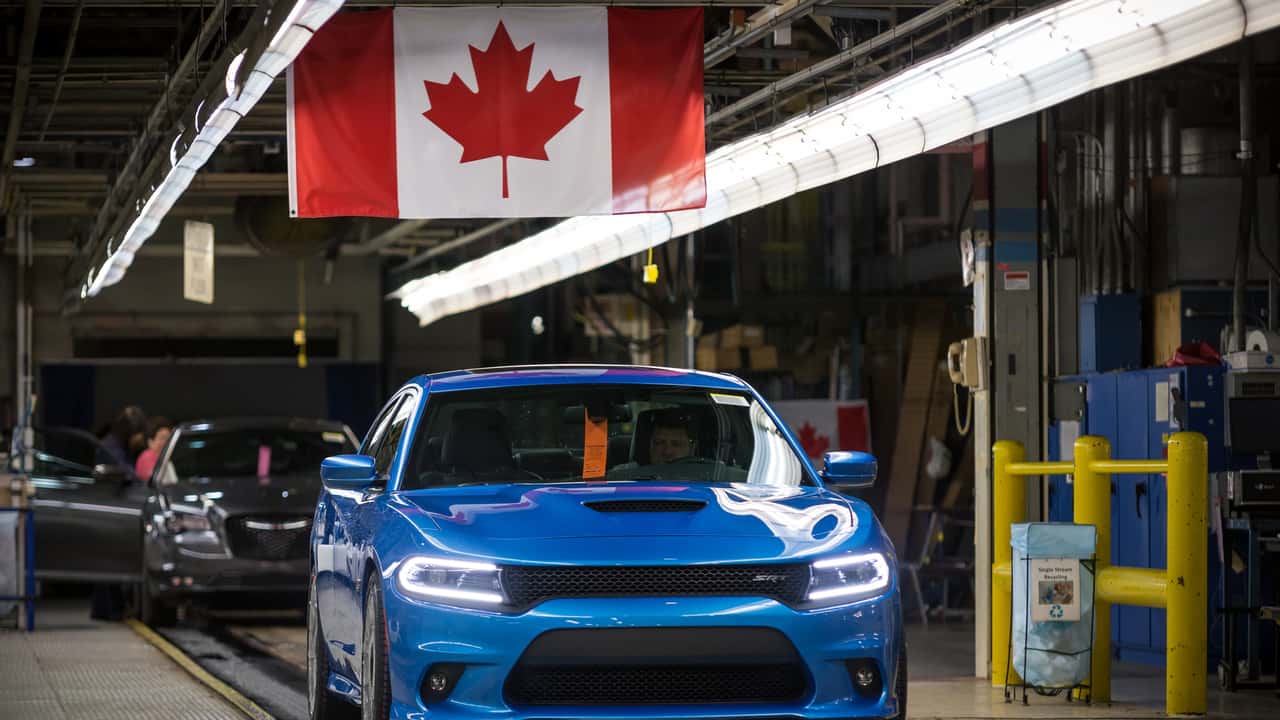
Negotiations for a comprehensive US-Canada trade agreement have collapsed, primarily due to irreconcilable differences regarding rules for light and heavy vehicles, specifically concerning trucking. This breakdown has resulted in the immediate imposition of 50% tariffs on approximately $20 billion worth of Canadian exports to the United States. The tariffs, which represent a significant escalation in trade friction, directly impact the automotive sector, a cornerstone of the bilateral economic relationship. Automakers on both sides of the border are now confronted with substantial cost increases and potential disruptions to their supply chains.
The core of the dispute centers on the specific regulations governing the origin and content of vehicles, particularly how these rules apply to the trucking industry. Sources familiar with the negotiations indicated that the divergence in approaches to these automotive provisions proved insurmountable, leading to the complete collapse of the broader trade deal. The failure to reach a consensus on these critical elements has cast a shadow over the future of trade relations between the two North American neighbours, potentially impacting jobs and economic growth in both countries. The $20 billion figure quantifies the immediate economic impact, highlighting the scale of the trade affected by this sudden tariff imposition.
This development marks a significant setback for proponents of closer economic integration between the United States and Canada. The automotive industry, which relies heavily on cross-border component sharing and finished vehicle trade, is particularly vulnerable to such protectionist measures. The imposition of a 50% tariff rate is exceptionally high and signals a sharp departure from the more integrated trade environment that has characterized the relationship for decades. The specific details of the light and heavy vehicle rules that led to the impasse have not been fully disclosed, but their divisive nature is evident in the ultimate failure of the talks. The collapse underscores the challenges in harmonizing complex regulatory frameworks, even between closely allied nations.
The immediate consequence for the automotive sector is a substantial increase in the cost of Canadian exports to the US. This could lead to higher prices for consumers, reduced sales volumes, and a reassessment of manufacturing and distribution strategies by automotive companies. The $20 billion in affected Canadian exports represents a significant portion of bilateral trade, and the 50% tariff will necessitate difficult adjustments. The breakdown also raises concerns about the broader implications for other sectors and the potential for retaliatory measures, although none have been announced at this time. The failure to resolve these specific trucking and vehicle rule disputes has derailed what was intended to be a more expansive trade accord.
Original source — read the full reporting at the publisher:
Read on Motor1Get the weekly AI digest
AI news + new model releases, weekly. Drafted by our agents, reviewed by humans.