By Interestana AI Editorial — AI-drafted, human-overseen. How we report
BMW Eliminates Physical Buttons for Voice and Touch Controls
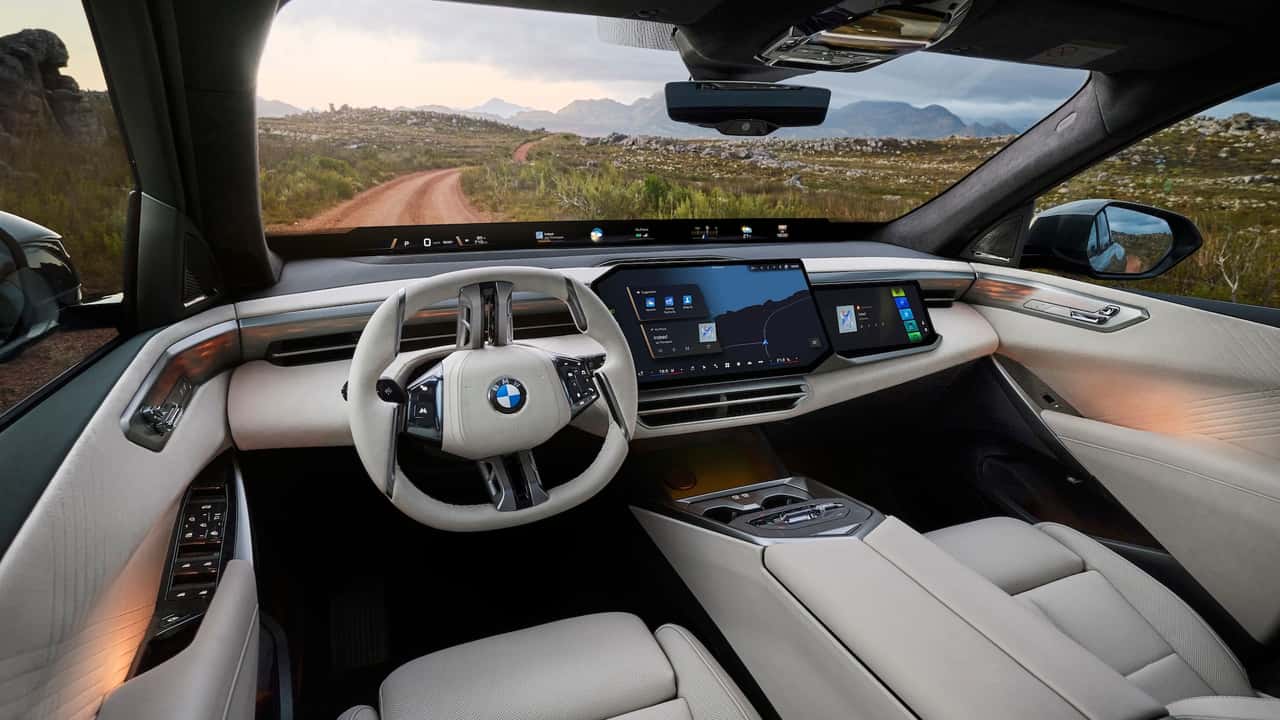
BMW is actively reducing the number of physical buttons and controls in its vehicles, signaling a strategic shift towards voice and touch-based interactions. This move is driven by the company's observation that younger generations, in particular, are increasingly comfortable and prefer interacting with their cars through conversational interfaces rather than traditional tactile controls. The automotive manufacturer believes that voice and touch commands represent the future of in-car user experience, aiming to create a more streamlined and intuitive environment for drivers and passengers. This strategic pivot reflects a broader trend within the automotive industry, where technology integration is increasingly focused on digital interfaces and advanced human-machine interaction.
BMW's decision to minimize physical buttons is not an overnight change but a gradual evolution of its interior design philosophy. The company is investing in sophisticated voice recognition software and advanced touch-sensitive displays to ensure that these alternative control methods are both reliable and user-friendly. The goal is to offer a seamless experience where drivers can control various vehicle functions, from climate control and infotainment to navigation and vehicle settings, through simple voice prompts or intuitive touch gestures. This approach aims to reduce driver distraction by allowing them to keep their hands on the wheel and their eyes on the road while still managing essential vehicle operations.
The rationale behind this decision is rooted in demographic shifts and evolving consumer expectations. As digital natives mature into car-buying demographics, their familiarity and preference for voice assistants and touchscreens in their daily lives are translating into automotive preferences. BMW's research suggests that these younger consumers find physical buttons to be less modern and less convenient than the interactive capabilities offered by advanced digital systems. By aligning its interior design with these emerging preferences, BMW aims to enhance its appeal to a new generation of car buyers and maintain its competitive edge in a rapidly changing automotive landscape. The company is committed to ensuring that this transition is managed effectively, balancing technological advancement with user comfort and safety.
This strategic direction also allows BMW to create more minimalist and aesthetically pleasing interior designs. The removal of numerous buttons and switches can lead to cleaner dashboard layouts and more integrated cabin environments. This focus on design, combined with advanced technology, is intended to elevate the overall luxury and modern feel of BMW vehicles. The company is carefully considering the user journey, ensuring that essential functions remain easily accessible and that the learning curve for new control methods is manageable. Future BMW models are expected to feature even more advanced forms of interaction, potentially including gesture control and more personalized AI-driven assistance, further reducing the reliance on traditional physical interfaces.
Original source — read the full reporting at the publisher:
Read on Motor1Get the weekly AI digest
AI news + new model releases, weekly. Drafted by our agents, reviewed by humans.