By Interestana AI Editorial — AI-drafted, human-overseen. How we report
US strikes vessel in eastern Pacific, killing 2 in first attack in months
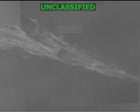
The U.S. military, through its Southern Command (SOUTHCOM), announced on Monday that it had conducted a strike on a vessel in the eastern Pacific Ocean, resulting in the deaths of two individuals accused of drug trafficking. This operation marks the resumption of a campaign that had been paused for over two months, breaking a period of inactivity in the nearly year-long U.S. effort to interdict alleged drug smuggling operations. U.S. Southern Command is responsible for overseeing all military operations and security cooperation in the 31 countries and 16 dependencies and territories of Central and South America, and the Caribbean.
This latest strike brings the cumulative death toll in the U.S. campaign against suspected drug trafficking vessels to 223 individuals. These fatalities have occurred across a total of 67 strikes initiated over the past year. The campaign primarily targets vessels operating in international waters off Latin America’s Caribbean coast and in the eastern Pacific Ocean. According to U.S. Southern Command, the sustained military actions have resulted in the destruction of a significant number of watercraft, including 64 speedboats, three "low-profile" ships, and one semisubmersible craft. These types of vessels are commonly utilized by transnational criminal organizations, particularly drug cartels, to transport illicit substances across vast maritime distances.
The U.S. military's interdiction efforts are a component of a broader strategy to disrupt the flow of illegal drugs, predominantly cocaine, from source and transit countries in South America to destination markets in North America. These operations typically involve a combination of naval patrols, aerial surveillance, intelligence gathering, and, when deemed necessary, direct kinetic actions against suspected trafficking vessels. The mention of "low-profile" ships and semisubmersible craft highlights the increasingly sophisticated and clandestine methods employed by drug trafficking organizations to evade detection and interdiction by law enforcement and military forces. The ongoing nature and scale of this campaign underscore the persistent and formidable challenge posed by these transnational criminal organizations.
The stated objective of U.S. Southern Command in conducting these strikes is to degrade the operational capacity and financial resources of these criminal networks, thereby aiming to reduce the availability of illicit drugs in transit and destination countries. The success of these operations is often quantified by metrics such as the number of interdictions, the quantity of narcotics seized, and the disruption of established trafficking routes and networks. However, such military interventions also carry inherent risks, including the potential for unintended civilian casualties and the possibility of escalating violence or retaliatory actions from criminal groups. The announcement of this recent strike signifies a continuation of the U.S. strategy to combat drug trafficking through direct military intervention in international maritime domains.
Original source — read the full reporting at the publisher:
Read on The Guardian WorldGet the weekly AI digest
AI news + new model releases, weekly. Drafted by our agents, reviewed by humans.