By Interestana AI Editorial — AI-drafted, human-overseen. How we report
Supreme Court Lifts Ban on Trump's Mail-In Voting Crackdown
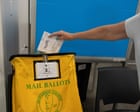
The US Supreme Court has ruled 6-3 to lift a preliminary injunction that had blocked President Donald Trump's executive order aimed at restricting mail-in voting. This decision, made along ideological lines by the justices, allows the Trump administration to proceed with its efforts to implement changes to mail-in voting procedures. The injunction in question was initially placed by a judge in Massachusetts in June, preventing the executive order from taking effect ahead of the November midterm elections. However, the Supreme Court's ruling does not definitively settle the legality of the order, as a second injunction remains in place, leaving the door open for continued legal battles and potential further challenges.
The specific details of the executive order and the extent to which it can be implemented before the November elections remain uncertain. The court's decision focused on lifting the preliminary block, which means the administration can now attempt to enforce its directives. The split among the justices, with a 6-3 vote, reflects the ideological divisions often seen in high-profile legal cases before the court. The dissenting justices likely raised concerns about the potential impact on voting access and the integrity of the election process, particularly given the ongoing legal ambiguities.
This ruling comes at a critical juncture as the nation approaches the midterm elections, where mail-in voting has become a significant method of casting ballots for many Americans. The Trump administration's push to "crack down" on this voting method has been a point of contention, with supporters arguing it is necessary to prevent fraud and ensure election security, while opponents contend it serves to suppress voter turnout, particularly among certain demographics. The legal landscape surrounding mail-in voting has been complex and evolving, with various states and jurisdictions implementing different rules and facing legal scrutiny.
The Supreme Court's intervention signifies the high stakes involved in election-related litigation. The ability of the administration to enact changes to mail-in voting procedures could have a tangible impact on how millions of Americans cast their ballots. The ongoing presence of a second injunction means that the final outcome regarding the implementation of the executive order is still subject to judicial review. This situation underscores the intricate interplay between executive action, judicial oversight, and the fundamental right to vote in the United States. The ultimate resolution of these legal challenges will likely shape future discussions and policies concerning absentee and mail-in voting.
Original source — read the full reporting at the publisher:
Read on The Guardian WorldGet the weekly AI digest
AI news + new model releases, weekly. Drafted by our agents, reviewed by humans.