By Interestana AI Editorial — AI-drafted, human-overseen. How we report
US, Iran Assess Oil Prices Before Escalating Tensions
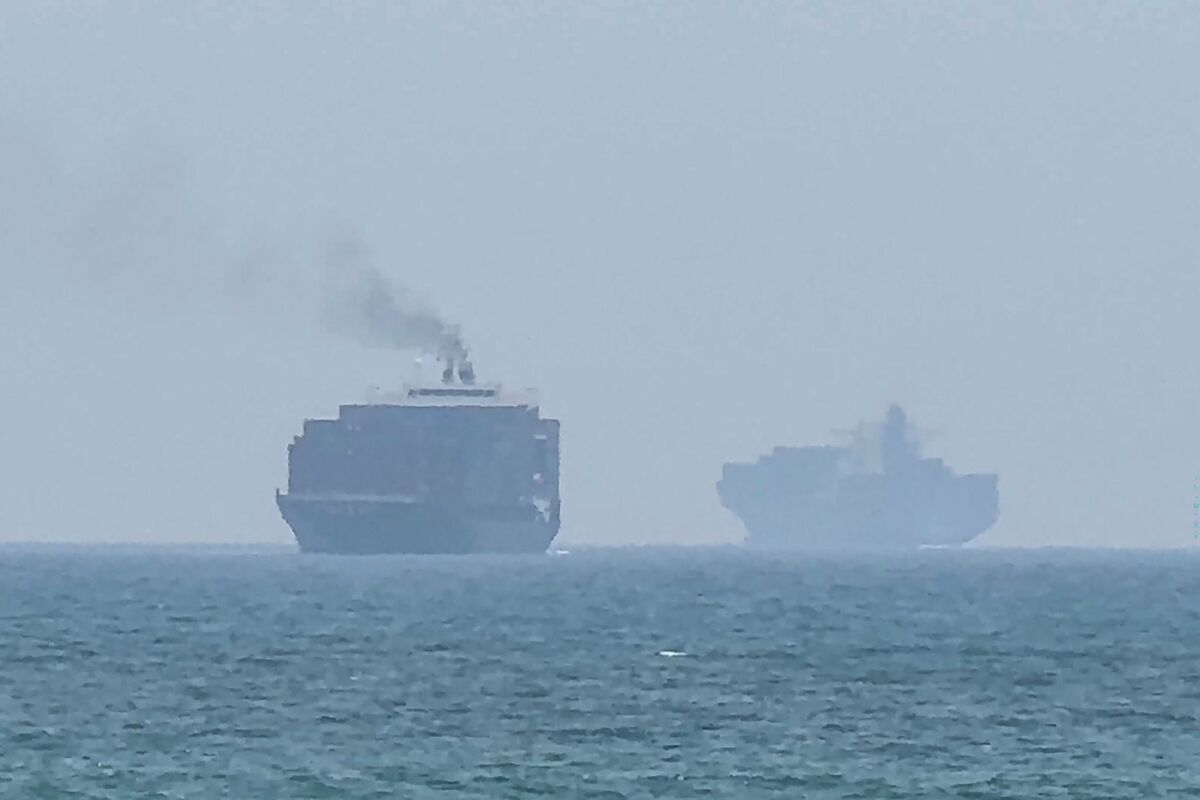
The United States and Iran are currently assessing the global oil market's reaction to potential escalations, a move that could significantly influence international energy prices. This strategic evaluation comes as both nations navigate complex geopolitical dynamics and their potential impact on crude oil supply and demand.
Sources indicate that the US administration is observing how the market absorbs existing pressures, including potential sanctions or trade restrictions, before implementing further measures. The goal appears to be understanding the price elasticity of oil and the global economic tolerance for supply disruptions. This cautious approach suggests a desire to avoid triggering a severe price shock that could destabilize economies worldwide or backfire politically.
Similarly, Iran is reportedly gauging the international response to its own actions and rhetoric. The nation's leadership is likely considering how any assertive moves might affect its oil exports and its overall economic standing. The interplay between these two nations' strategic considerations creates a delicate balance for global oil markets, where even minor shifts in policy or perceived intent can lead to notable price fluctuations.
This period of observation is critical for both countries as they weigh the benefits of asserting their influence against the risks of market volatility. The outcome of these assessments could dictate the trajectory of oil prices in the coming months, impacting everything from consumer costs at the pump to industrial production and inflation rates globally. The focus remains on how far each nation is willing to push its limits without triggering an uncontrollable market reaction.
Original source — read the full reporting at the publisher:
Read on Bloomberg MarketsGet the weekly AI digest
AI news + new model releases, weekly. Drafted by our agents, reviewed by humans.