By Interestana AI Editorial — AI-drafted, human-overseen. How we report
Asian Buyers Seek US Crude Amid Iran Tensions
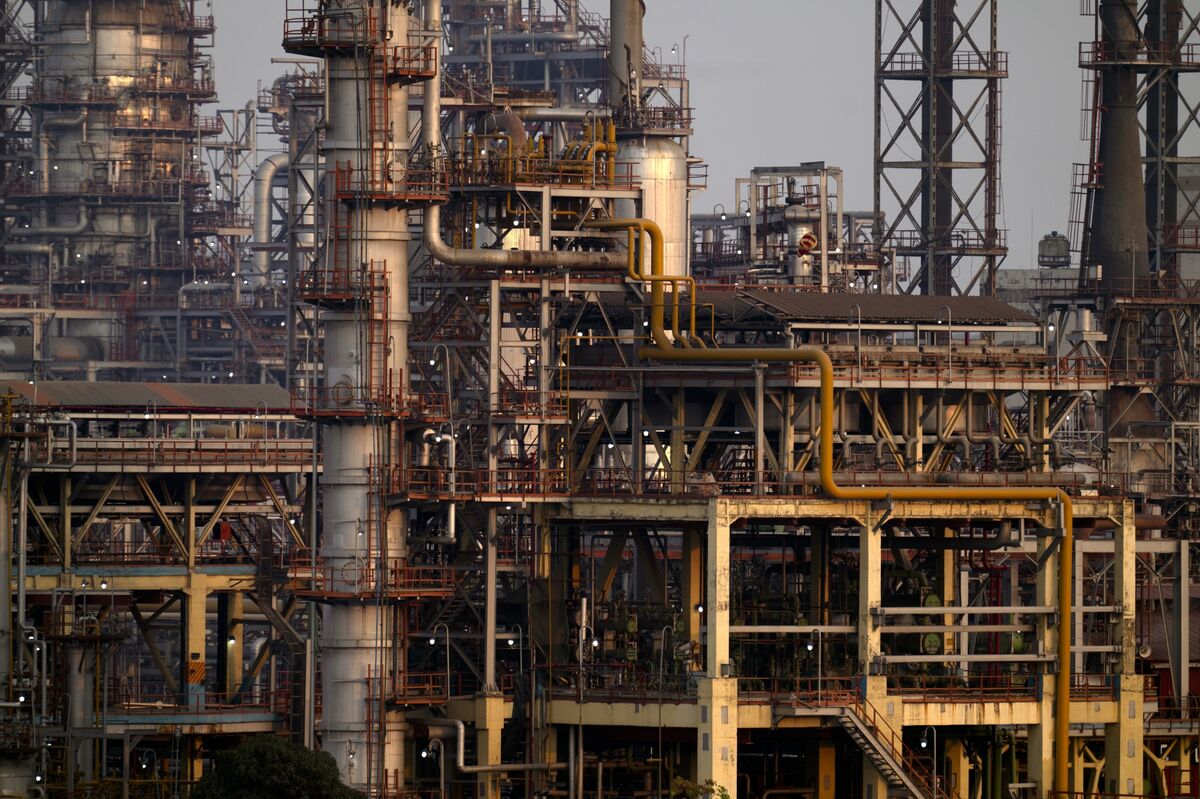
Asian oil refiners are increasing their purchases of United States crude oil as tensions escalate between Washington and Tehran, leading to a significant slowdown in traffic through the Strait of Hormuz. This strategic shift reflects a growing demand for alternative supply routes and a desire to mitigate risks associated with the volatile geopolitical situation in the Middle East. The disruption in the Strait of Hormuz, a critical chokepoint for global oil shipments, has heightened concerns about supply security for major Asian economies that rely heavily on imported crude.
Refiners in countries such as China, India, and South Korea are actively seeking to secure more barrels from US producers. This increased demand for American crude is expected to influence global oil prices and trade flows. The United States has become a more prominent supplier in recent years, with its production capacity growing significantly. This situation presents an opportunity for US oil exporters to capture a larger share of the Asian market, which has traditionally been dominated by Middle Eastern suppliers.
The intensification of hostilities has also led to higher shipping costs and insurance premiums for vessels transiting the region, further incentivizing buyers to look for more stable and predictable sources of supply. The ongoing conflict underscores the fragility of global energy markets and the interconnectedness of geopolitical events with economic stability. Asian nations are therefore prioritizing diversification of their energy imports to ensure consistent access to the oil they need for their economies.
This trend suggests a potential recalibration of global energy trade dynamics. As the situation in the Middle East remains uncertain, the reliance on US crude by Asian buyers is likely to persist, impacting supply chain strategies and energy security policies across the continent. The long-term implications for oil markets and international relations will depend on the duration and outcome of the current geopolitical standoff.
Original source — read the full reporting at the publisher:
Read on Bloomberg MarketsGet the weekly AI digest
AI news + new model releases, weekly. Drafted by our agents, reviewed by humans.