By Interestana AI Editorial — AI-drafted, human-overseen. How we report
US EV Prices Rise as Manufacturer Discounts Shrink
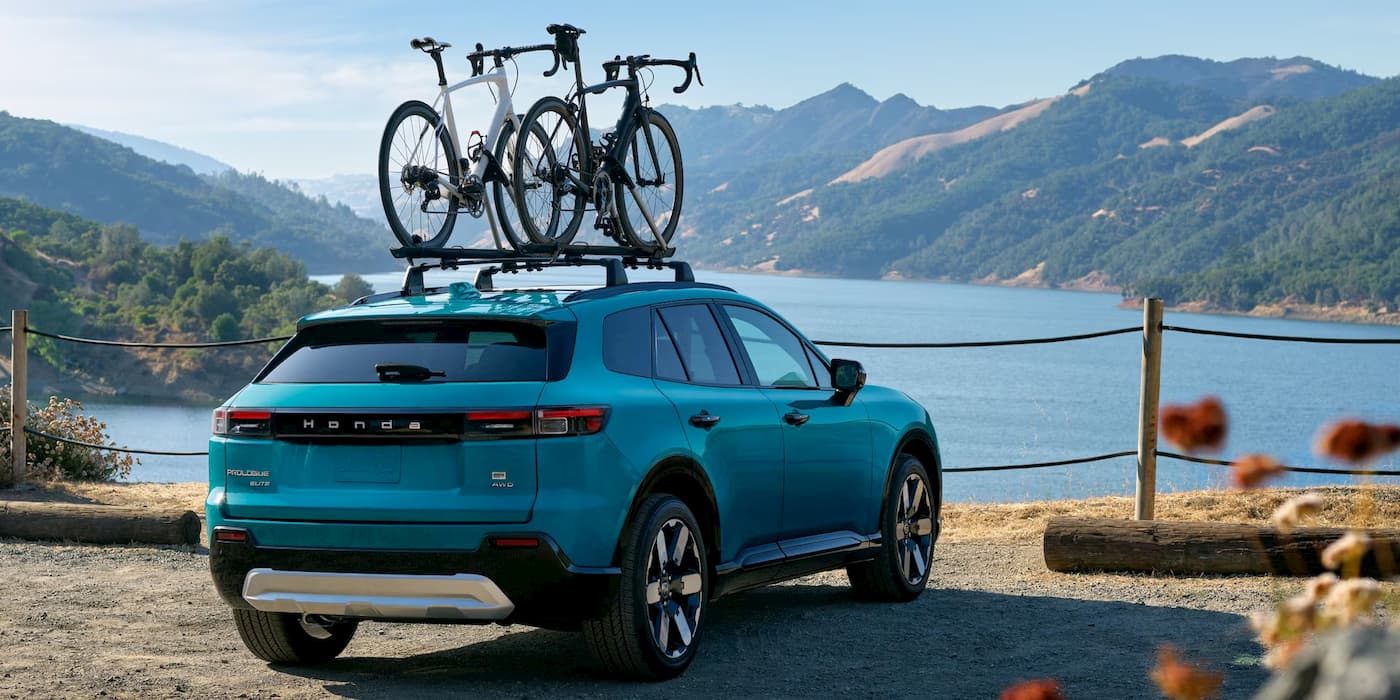
The average transaction price (ATP) for a new electric vehicle (EV) in the United States has begun to rise, marking a reversal after six consecutive months of year-over-year price decreases. This shift is attributed to a significant reduction in manufacturer discounts and incentives that had previously driven down the effective cost for consumers. The trend indicates a potential recalibration of the EV market, moving away from aggressive price reductions towards a more stable pricing structure. This change in strategy by automakers could influence consumer purchasing decisions, potentially impacting the pace of EV adoption.
Throughout the latter half of 2023 and into early 2024, consumers benefited from substantial price cuts and incentives offered by EV manufacturers. These promotions were largely implemented to stimulate demand, clear inventory, and compete with the growing number of EV models available. However, as these discounts diminish, the sticker prices and actual purchase prices are reflecting a higher baseline. This adjustment is occurring across various EV segments, from luxury sedans to more mass-market SUVs and trucks. The reduction in incentives is a strategic move by automakers, likely aimed at improving profit margins and signaling a maturing market where demand is becoming less reliant on deep discounts.
The impact of these rising prices on the broader automotive industry and consumer behavior remains to be seen. While higher prices might deter some price-sensitive buyers, they could also signal increased confidence from manufacturers in the underlying demand for electric vehicles. The competitive landscape of the EV market is intensifying, with traditional automakers and newer EV-focused companies vying for market share. Price adjustments are a key lever in this competition, alongside factors such as range, charging infrastructure, and technological features. The current trend suggests a move towards a more sustainable pricing model for EVs, where profitability and market positioning are prioritized over short-term sales volume driven by deep discounts. This could lead to a more predictable market for both consumers and manufacturers in the coming months and years, though it may also present challenges for affordability.
Original source — read the full reporting at the publisher:
Read on ElectrekGet the weekly AI digest
AI news + new model releases, weekly. Drafted by our agents, reviewed by humans.