By Interestana AI Editorial — AI-drafted, human-overseen. How we report
Tesla China Recall Linked to Hidden Door Handle Design
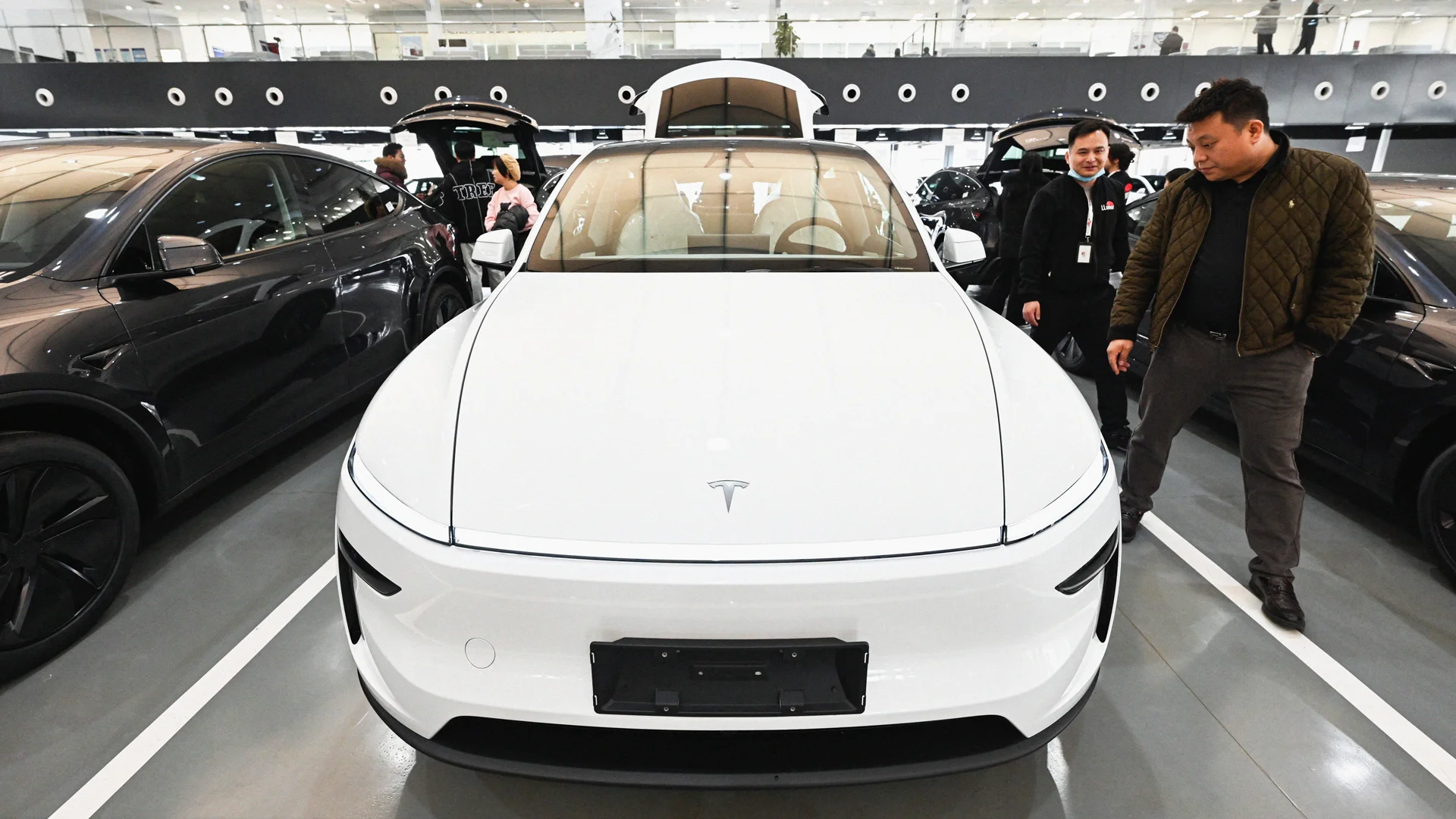
Tesla is initiating a recall of over 1.6 million vehicles in China, encompassing Model 3 and Model Y electric cars, due to a software malfunction affecting the door handles. This recall, announced on February 2, 2024, by China's State Administration for Market Regulation, addresses a problem where the electronic door release system might fail. The issue stems from the vehicles' hidden, flush-mounted door handles, a signature design element introduced by Tesla. If the software controlling these handles malfunctions, drivers and passengers could be unable to open the doors from the inside, posing a safety risk. The recall mandates Tesla to update the vehicle's software wirelessly, a process that requires no physical intervention from owners. This measure aims to rectify the potential for the door handle's electronic release mechanism to fail, thereby ensuring occupants can always exit the vehicle. The affected vehicles include approximately 1.19 million Model 3 units manufactured between January 2019 and January 2024, and around 420,000 Model Y units produced between January 2021 and January 2024. This significant recall underscores the increasing regulatory oversight that electric vehicles (EVs) face in China, a critical market for Tesla and other global automakers. Chinese regulators have been intensifying their scrutiny on automotive safety and compliance, particularly for new energy vehicles. The recall highlights the complexities associated with advanced automotive designs, such as Tesla's signature flush door handles, which integrate sophisticated electronic systems. While aesthetically pleasing and contributing to aerodynamic efficiency, these designs can introduce potential failure points if not robustly engineered and maintained. The software update is intended to mitigate the risk of the electronic door release failing, ensuring that the manual release mechanism remains functional even in the event of a software glitch. Tesla's proactive recall demonstrates its commitment to addressing safety concerns, although the scale of the operation in China points to the challenges of maintaining product integrity across diverse regulatory environments. The company's ability to implement a wireless software update is a testament to the evolving capabilities of modern vehicle technology, allowing for rapid deployment of fixes without the need for extensive dealership visits. This event also places a spotlight on the broader trend of automotive recalls driven by software-related issues, a growing concern in the increasingly connected and automated automotive landscape. The recall is expected to be completed by April 15, 2024. Tesla will notify affected vehicle owners and arrange for the necessary software updates.
Original source — read the full reporting at the publisher:
Read on Inc.Get the weekly AI digest
AI news + new model releases, weekly. Drafted by our agents, reviewed by humans.