By Interestana AI Editorial — AI-drafted, human-overseen. How we report
US Ends Coal and Gas Plant Emissions Limits
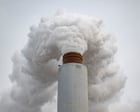
The US Environmental Protection Agency (EPA) has announced the removal of limits on greenhouse gas emissions from coal and gas power plants, a significant rollback of environmental regulations. This decision effectively strips the EPA of its ability to regulate these emissions under the Clean Air Act, a move critics argue will exacerbate the climate crisis. The announcement comes in the wake of the hottest summer on record in the United States, highlighting the urgency of addressing global warming. Environmental experts and advocacy groups have condemned the decision, labeling it a "gift to planet polluters" and a "gutting" of the Clean Air Act. They contend that this action removes a crucial tool for combating the escalating climate crisis, which is driven by the dangerous heating of the planet due to greenhouse gas emissions.
The Trump administration's EPA stated that it will no longer enforce regulations that limit the amount of carbon dioxide and other greenhouse gases released by power generation facilities. This policy shift represents a departure from previous efforts to curb emissions from the energy sector, which is a major contributor to climate change. The Clean Air Act, originally enacted in 1970 and significantly amended over the years, has been a cornerstone of US environmental policy, providing the legal framework for regulating air pollutants, including those that contribute to global warming. By removing the EPA's authority to regulate these specific emissions from power plants, the administration is weakening the enforcement capabilities designed to protect air quality and mitigate the impacts of climate change.
Environmental organizations have expressed grave concerns about the long-term consequences of this deregulation. They point to the scientific consensus that links rising global temperatures to increased emissions of greenhouse gases, primarily carbon dioxide from the burning of fossil fuels like coal and natural gas. The power sector is a substantial source of these emissions in the United States. The rollback of these regulations is expected to lead to an increase in the amount of greenhouse gases released into the atmosphere, potentially accelerating global warming and its associated impacts, such as more extreme weather events, rising sea levels, and disruptions to ecosystems. The decision is likely to face legal challenges from environmental groups and potentially from states that are committed to stricter climate policies.
This regulatory change is seen by many as a direct contradiction to the growing body of evidence on climate change and the international efforts to address it. The hottest summer on record serves as a stark reminder of the ongoing climate crisis. By dismantling emission limits for coal and gas plants, the EPA is removing a key mechanism that was intended to drive the transition towards cleaner energy sources and reduce the carbon footprint of the power industry. The implications of this decision extend beyond domestic environmental policy, potentially affecting the United States' standing in international climate negotiations and its commitment to global climate goals. The future of environmental regulation in the United States appears to be at a critical juncture, with this decision signaling a significant shift in policy direction.
Original source — read the full reporting at the publisher:
Read on The Guardian WorldGet the weekly AI digest
AI news + new model releases, weekly. Drafted by our agents, reviewed by humans.