By Interestana AI Editorial — AI-drafted, human-overseen. How we report
Supreme Court Rejects Trump Mail Ballot Restrictions
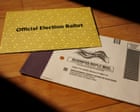
The Supreme Court on Monday rejected Donald Trump's proposed restrictions on mail-in ballots, allowing states to continue using established processes for sending out mail ballots. This decision came amid a flurry of last-minute legal actions as voting in the midterm elections was already underway. The ruling permits states to maintain their existing procedures for mail-in voting, which have been in place for years, thereby preventing the immediate implementation of new limitations sought by the former president. The court's decision effectively upholds the status quo for mail-in ballot distribution in the current electoral cycle, providing clarity for election officials and voters navigating the midterm elections. This legal challenge represented a significant effort to alter voting mechanisms shortly before and during an ongoing election, highlighting the contentious nature of mail-in voting practices. The rejection of these restrictions means that voters will continue to receive mail ballots under the systems they have become accustomed to, without the newly proposed limitations taking effect. The Supreme Court's intervention addressed a critical juncture in the electoral process, aiming to ensure consistency and prevent last-minute disruptions to voting procedures. The case underscores the ongoing legal battles surrounding election integrity and voting access in the United States, particularly concerning mail-in ballots. By allowing states to proceed with their long-standing methods, the court has sidestepped a potentially disruptive change to election administration during a sensitive period. The decision provides a temporary resolution to this specific legal challenge, allowing the midterm elections to proceed under the existing framework for mail-in ballot distribution. This outcome is significant for voters who rely on mail-in voting and for election administrators who depend on predictable procedures. The court's ruling does not preclude future legal challenges or legislative changes regarding mail-in voting, but it provides a definitive stance for the current election cycle. The implications of this decision extend to the broader discourse on election laws and the administration of voting in the United States, particularly in the context of mail-in ballots. The court's action ensures that established voting practices remain in place for the duration of the ongoing midterm elections, averting potential confusion or disenfranchisement that could arise from last-minute changes.
Original source — read the full reporting at the publisher:
Read on The Guardian WorldGet the weekly AI digest
AI news + new model releases, weekly. Drafted by our agents, reviewed by humans.