By Interestana AI Editorial — AI-drafted, human-overseen. How we report
Google's WeatherNext AI Model Enters Version 3, Boosting Forecast Accuracy with Satellite Data Integration
Google, a prominent entity in the field of artificial intelligence (AI), which encompasses machine learning, has advanced its WeatherNext AI weather forecasting model to version 3. This latest iteration represents a significant step forward in the ongoing development of AI-driven meteorological prediction systems. AI weather models, including Google's WeatherNext, present a compelling advantage over conventional numerical weather prediction (NWP) models. Their primary benefit lies in their ability to achieve forecast performance comparable to traditional methods while demanding considerably less computing horsepower. This computational efficiency is crucial, as it enables these AI models to be run more frequently, thereby generating more up-to-date and responsive forecasts. The efficiency stems from AI models' capacity to learn intricate patterns from vast historical datasets, a stark contrast to NWP models that rely on complex physical simulations requiring extensive computational resources.
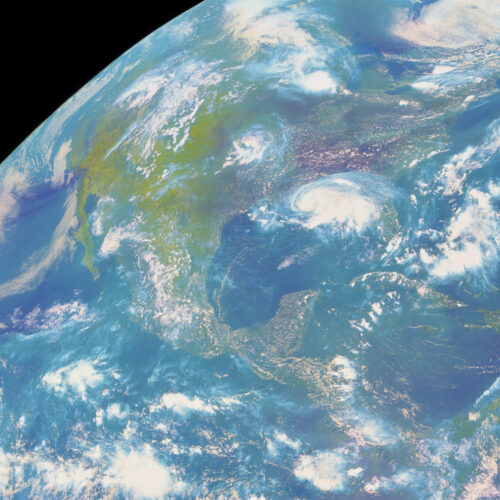
The most substantial enhancement in WeatherNext version 3 is the integration of satellite weather data. This addition is designed to significantly shorten the lag time between the observation of current weather conditions and the generation of a new forecast. The details of this update have been comprehensively outlined in a white paper published by Google. This integration of satellite data is particularly impactful because satellites provide a broad, synoptic view of atmospheric phenomena, including cloud formations, atmospheric moisture, and large-scale weather systems, which can complement data gathered from ground-based sensors and other observational platforms. The reduction in lag time is especially critical for short-term forecasting, where rapid weather shifts can have immediate and significant consequences.
Many weather models, both traditional and AI-based, utilize a process known as "reanalysis." Reanalysis essentially involves creating a comprehensive, consistent, and global snapshot of the Earth's atmosphere by assimilating diverse weather data sources. This process is indispensable because weather forecast models require a global perspective to function effectively. Reanalysis provides estimates for atmospheric conditions even in regions where direct, real-world measurements are scarce, thus filling critical data gaps. By combining observational data with model-generated estimates, reanalysis offers a unified historical record and a robust baseline for current atmospheric conditions, which is then used to initialize and refine subsequent forecasts. Google's WeatherNext model, by incorporating satellite data into its reanalysis process, aims to provide a more accurate and timely representation of the atmosphere, thereby enhancing its predictive capabilities and solidifying its competitive position in the rapidly evolving landscape of AI-powered meteorological services, where accuracy, speed, and computational efficiency are paramount.
Original source — read the full reporting at the publisher:
Read on Ars TechnicaGet the weekly AI digest
AI news + new model releases, weekly. Drafted by our agents, reviewed by humans.