By Interestana AI Editorial — AI-drafted, human-overseen. How we report
UN Passes First Declaration on Sea Level Rise, Protecting Island Nations’ Sovereignty
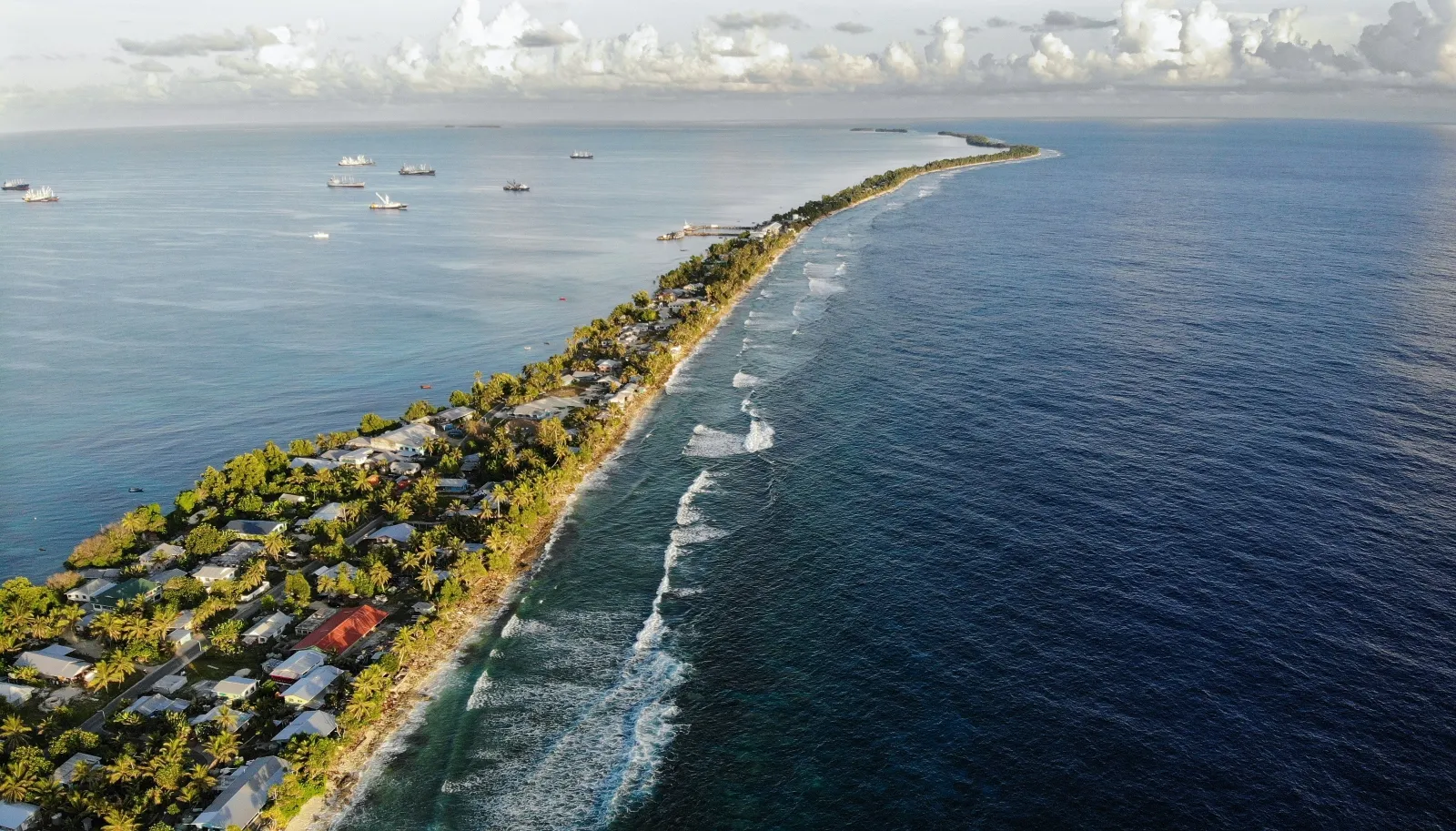
The United Nations General Assembly has unanimously approved a landmark declaration on sea level rise, establishing the first global accord of its kind and providing crucial protections for island nations confronting existential threats posed by climate change. This resolution signifies a rare instance of multilateral cooperation on the international stage, particularly noteworthy given the United States' recent withdrawal from the Paris Climate Agreement and its broader opposition to global climate initiatives under the Trump administration. The declaration explicitly acknowledges the profound impacts of climate change and incorporates provisions for climate aid to developing countries, potentially injecting renewed momentum into efforts aimed at supporting vulnerable small island states. The United States, under President Donald Trump, had previously withdrawn from the Paris Agreement, a landmark 2015 accord aimed at reducing greenhouse gas emissions, and had also attacked international efforts like a global agreement on a carbon tax for cargo ships. Furthermore, the administration had threatened countries with tariffs if they became too vocal about climate change concerns. This unanimous passage, therefore, represents a significant departure from recent US policy and a notable win for multilateralism.
Philip Davis, the prime minister of the Bahamas, expressed considerable optimism regarding the declaration's potential to accelerate concrete action. In an interview with Grist, he detailed how his nation, with landmasses situated less than three meters above sea level, is already experiencing the devastating effects of land loss due to rising waters. He emphasized the current stagnation in global efforts to effectively stem the carbon footprint, suggesting that this declaration could "heighten the flow of action." For low-lying countries such as Tuvalu and the Marshall Islands, which face the grim prospect of near-total inundation within the next century as global temperatures continue to rise, leading to the melting of the world's ice sheets and glaciers, the implications of this agreement are profound. The declaration clarifies that these states will continue to exist as sovereign political entities, maintaining their statehood and international recognition even if their physical landmasses disappear beneath the waves. This is a critical distinction, as the very existence of these nations as independent political actors had been uncertain.
Crucially, the declaration ensures that these vulnerable nations will retain control over their historical maritime borders. These maritime zones, which extend from a country's coastline, grant exclusive rights over vital resources and activities, including fishing, energy development, and other military and economic pursuits. This provision is absolutely vital for the continued viability and economic independence of island nations, as their livelihoods and political existence often depend heavily on the resources found within these marine territories. The UN's action provides a much-needed framework for addressing the complex legal, political, and humanitarian challenges posed by sea level rise, offering a degree of certainty and protection to nations whose very existence is under direct threat from the escalating consequences of climate change. The resolution's unanimous passage underscores a growing global recognition of the urgent need for decisive climate action and the imperative for international solidarity in confronting its far-reaching consequences.
Original source — read the full reporting at the publisher:
Read on GristGet the weekly AI digest
AI news + new model releases, weekly. Drafted by our agents, reviewed by humans.