By Interestana AI Editorial — AI-drafted, human-overseen. How we report
Second Car Alternative: $1,000 E-Bike Option
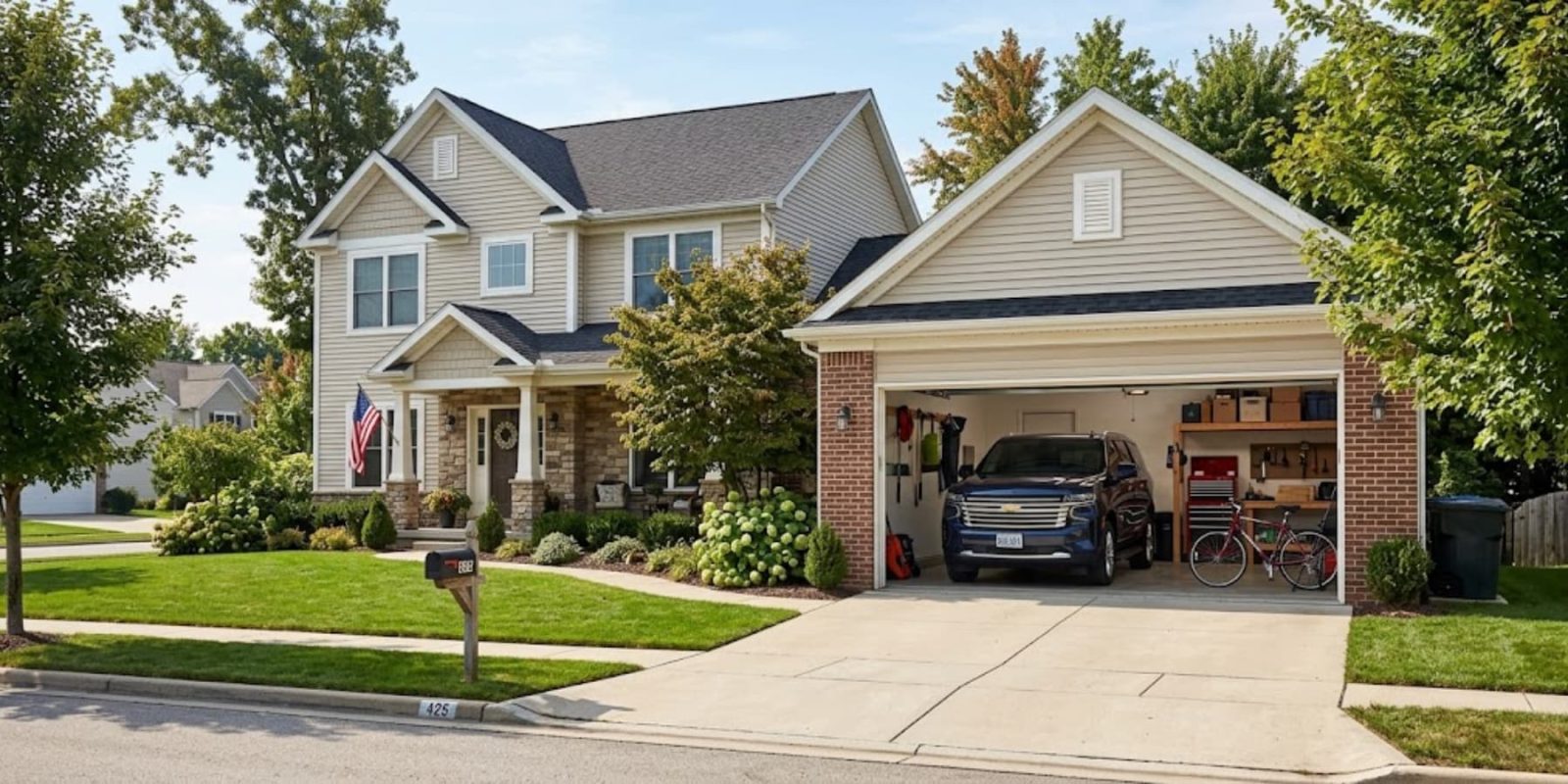
The necessity for a second car often arises when two family members require independent transportation simultaneously, such as one spouse using the primary vehicle for work while the other needs to run errands like grocery shopping or picking up children from daycare. Other common scenarios include commuting to the gym, meeting friends for social engagements, or completing various daily tasks that necessitate travel across town. In these instances, the convenience of a second car becomes highly appealing.
However, the financial implications of acquiring and maintaining a second automobile can be substantial. This includes not only the initial purchase price, which can range from tens of thousands of dollars for a new vehicle to several thousand for a used one, but also ongoing costs such as insurance premiums, registration fees, fuel expenses, routine maintenance (oil changes, tire rotations), and potential repairs. These cumulative expenses can place a significant strain on household budgets, making the prospect of a second car less attractive for many families.
As a practical and significantly more affordable alternative, an electric bicycle (e-bike) emerges as a compelling option for addressing short-distance transportation needs. With an estimated cost of around $1,000, an e-bike offers a fraction of the financial outlay associated with a traditional car. This price point makes it an accessible solution for individuals or families looking to supplement their primary vehicle without incurring the high costs of a second car. E-bikes provide sufficient range and speed for many common errands and commutes within a local area, effectively serving as a "second vehicle" for specific purposes.
The utility of an e-bike extends to its environmental benefits and ease of use. Compared to a gasoline-powered car, e-bikes produce zero tailpipe emissions, contributing to cleaner air and reduced carbon footprints. They also require less parking space and can often navigate through traffic more efficiently in urban environments. The electric assist feature on e-bikes makes cycling more accessible to a wider range of individuals, including those who may not be accustomed to regular cycling or who need to cover distances that might otherwise be challenging. This makes the e-bike a versatile tool for personal mobility, offering a sustainable and economical way to manage transportation needs beyond the primary family car.
Original source — read the full reporting at the publisher:
Read on ElectrekGet the weekly AI digest
AI news + new model releases, weekly. Drafted by our agents, reviewed by humans.