By Interestana AI Editorial — AI-drafted, human-overseen. How we report
Tesla FSD Exceeded 30 km/h Limits in Brussels Tests
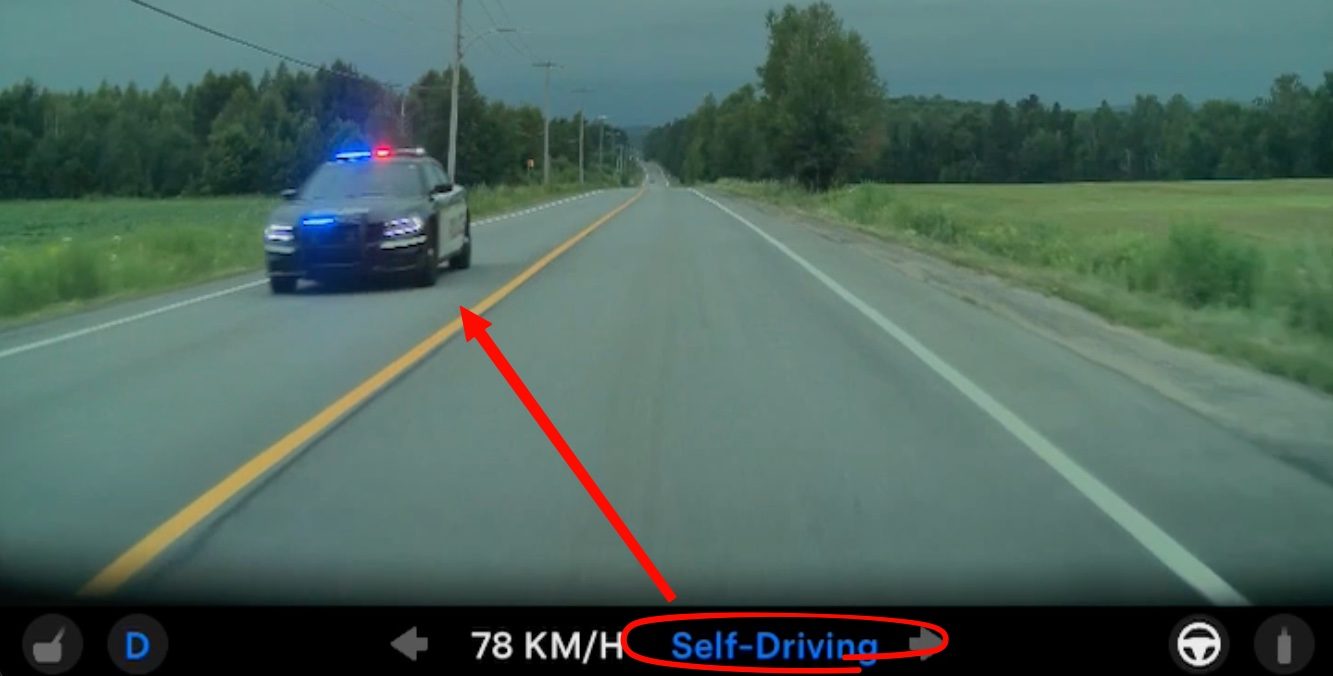
Tesla's "Full Self-Driving (Supervised)" system demonstrated instances of exceeding the 30 km/h speed limit in 55% of the tested segments within Brussels, Belgium. A road safety group's evaluation in the Belgian capital revealed that the system, when operating in these designated 30 km/h zones, averaged a speed of 44 km/h, significantly surpassing the legal maximum. These findings emerge less than two weeks prior to a crucial vote by EU member states on the potential approval of Tesla's FSD system for use across the entire European Union bloc. The issue of speeding by autonomous or driver-assist systems has already been a point of concern raised by member states such as Sweden and France, indicating a pre-existing regulatory scrutiny. The testing was conducted by a Belgian road safety group, though the specific name of the organization was not provided in the initial report. The "Full Self-Driving (Supervised)" system, often referred to as FSD, is Tesla's advanced driver-assistance system that requires active driver supervision. Despite its name, it does not enable fully autonomous driving and necessitates the driver to remain attentive and ready to take control at all times. The system's performance in real-world conditions, particularly concerning adherence to speed limits in urban environments, is a critical factor for regulators evaluating its safety and suitability for wider deployment. The upcoming EU vote will determine whether FSD can be authorized for use across all 27 member states, a decision that could have significant implications for the future of autonomous driving technology in Europe. The concerns raised by Sweden and France regarding speeding highlight the specific safety aspects that regulators are prioritizing. The average speed of 44 km/h in a 30 km/h zone represents a substantial deviation and raises questions about the system's ability to accurately interpret and comply with local traffic regulations, especially in areas with lower speed limits designed for pedestrian safety and reduced traffic noise. The context of this testing is vital, as it directly precedes a decision that could shape the regulatory landscape for advanced driver-assistance systems across a major economic region. The performance data from Brussels will likely be a key piece of evidence considered by policymakers and transportation authorities as they weigh the benefits and risks associated with widespread FSD adoption. The report did not specify the exact methodology used for the testing, such as the duration, the specific routes covered, or the environmental conditions under which the tests were performed, which could be relevant details for a comprehensive understanding of the results. However, the stark statistic of exceeding the speed limit in over half of the tested 30 km/h zones provides a clear indication of a potential issue that requires further investigation and consideration by regulatory bodies.
Original source — read the full reporting at the publisher:
Read on ElectrekGet the weekly AI digest
AI news + new model releases, weekly. Drafted by our agents, reviewed by humans.