By Interestana AI Editorial — AI-drafted, human-overseen. How we report
UN Ambassador Waltz: Iran Negotiated in Bad Faith
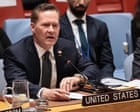
Former United States Ambassador to the United Nations, Mike Waltz, stated on Sunday that the Trump administration rejected Iran's proposal to end the ongoing war because Iranian negotiators "were asking for everything up front." Waltz, speaking on CNN's "State of the Union," echoed sentiments previously expressed by former President Donald Trump on Saturday regarding the stalled negotiations.
Waltz elaborated that Iran's proposal included demands for relief from "billions and billions of sanctions" that had been imposed as part of an economic blockade. This blockade was specifically designed to exert pressure on Iran to cease its attacks on vessels transiting the Strait of Hormuz. The ambassador indicated that Iran's insistence on immediate and comprehensive sanctions relief, without offering reciprocal concessions, was the primary reason for the US rejection. The administration's objective was to compel Iran to alter its behavior, particularly its maritime aggressions, before considering any lifting of economic penalties.
The context of these negotiations is the broader geopolitical tension surrounding Iran's nuclear program and its regional activities. The Trump administration had previously withdrawn the US from the Joint Comprehensive Plan of Action (JCPOA) in 2018, reimposing stringent sanctions on Iran. This move aimed to curb Iran's ballistic missile development and its support for proxy groups in the Middle East, in addition to its nuclear ambitions. The subsequent "maximum pressure" campaign sought to cripple Iran's economy and force it back to the negotiating table on terms favorable to the US and its allies.
Waltz's comments highlight the significant gap that existed between the US demands and Iran's negotiating position during that period. The ambassador's assertion that Iran was not negotiating "in good faith" suggests a perception within the Trump administration that Iran was not genuinely seeking a resolution but rather attempting to exploit the situation for immediate economic gains. The Strait of Hormuz is a critical chokepoint for global oil shipments, and any disruption there has significant implications for international energy markets and global economic stability. Iran's actions in the strait have been a consistent source of friction with the US and its allies, leading to increased naval patrols and diplomatic efforts to ensure freedom of navigation.
Original source — read the full reporting at the publisher:
Read on The Guardian WorldGet the weekly AI digest
AI news + new model releases, weekly. Drafted by our agents, reviewed by humans.