By Interestana AI Editorial — AI-drafted, human-overseen. How we report
Drumcree Standoff Highlights Enduring Northern Ireland Tensions
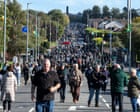
The Drumcree standoff has unexpectedly re-emerged, serving as a stark reminder of Northern Ireland's turbulent past and the persistent threats to its present, albeit imperfect, peace and stability. This resurgence highlights how, despite significant changes over the past three decades, historical grievances can still undermine the region's progress. Thirty years ago, parts of Northern Ireland frequently experienced near-annual disruptions. These were characterized by Protestant Orange Order protesters blocking roads, asserting their right to march down the Garvaghy Road, which they considered a traditional route. This annual contention typically occurred on the Sunday preceding the main Orange Order parade on July 12. The Orange Order, a fraternal organization with roots dating back to the late 18th century, is predominantly composed of Protestant men and is known for its parades and commemorations, which often celebrate Protestant heritage and historical events. The Garvaghy Road, located in Portadown, County Armagh, became a focal point of these disputes, as it was a predominantly Catholic nationalist area. The parades, viewed by many in the nationalist community as triumphalist displays of sectarianism, often led to significant civil unrest, protests, and a heavy police and military presence. The confrontations at Drumcree were particularly intense and prolonged, with the standoff in 1996 being one of the most significant, lasting for several days and drawing widespread media attention. The RUC (Royal Ulster Constabulary), the police force at the time, played a crucial role in managing these events, often facing criticism from both sides. The Good Friday Agreement, signed in 1998, aimed to resolve many of the underlying political and sectarian issues that fueled such conflicts. This agreement established a power-sharing executive and assembly, fundamentally altering the political landscape of Northern Ireland. However, the legacy of the Troubles, the period of ethno-nationalist conflict in Northern Ireland from the late 1960s to 1998, continues to cast a long shadow. The current government is reportedly hoping that the dispute over the Orange Order march down the Garvaghy Road can be defused, preventing a recurrence of the widespread disruption and tension that characterized previous standoffs. The reappearance of this issue underscores the ongoing challenges in fully reconciling divided communities and ensuring lasting peace in Northern Ireland, where historical narratives and cultural identities remain potent forces.
Original source — read the full reporting at the publisher:
Read on The Guardian WorldGet the weekly AI digest
AI news + new model releases, weekly. Drafted by our agents, reviewed by humans.