By Interestana AI Editorial — AI-drafted, human-overseen. How we report
UK Alcohol-Free Beer Boom Faces Regulatory Hurdles
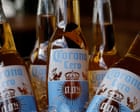
The British Beer and Pub Association (BBPA) has warned that overly strict regulations are preventing pubs and brewers from fully capitalizing on the significant growth in alcohol-free beer sales in the United Kingdom. The trade body highlighted that over 64 million pints of low- and no-alcohol beer are projected to be sold this summer, an increase of 8 million pints compared to the summer of 2025. This surge in sales, according to the BBPA, demonstrates that the category is more than just a temporary trend.
The BBPA is advocating for a change in the regulatory definition of what constitutes "alcohol-free" beer. Currently, a beverage must contain no more than 0.05% alcohol by volume (ABV) to be classified as alcohol-free. The association proposes increasing this threshold to 0.5% ABV. This adjustment, they argue, would align the UK's regulations with those in many other European countries and would allow a wider range of products to be marketed and sold as alcohol-free, thereby supporting the continued expansion of this popular market segment.
The current regulatory landscape is seen by the BBPA as a significant barrier to innovation and market penetration. By adhering to the stringent 0.05% ABV limit, many beverages that consumers perceive and enjoy as alcohol-free are technically classified differently, potentially leading to confusion and limiting their commercial appeal. The association believes that a more flexible definition would unlock further growth potential and benefit both producers and consumers who are increasingly seeking out low- and no-alcohol alternatives.
Original source — read the full reporting at the publisher:
Read on The Guardian WorldGet the weekly AI digest
AI news + new model releases, weekly. Drafted by our agents, reviewed by humans.