By Interestana AI Editorial — AI-drafted, human-overseen. How we report
Typhoon Dujuan Kills Two, Leaves 50,000 Homes Without Power in Japan
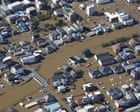
Typhoon Dujuan has resulted in at least two fatalities in Japan, with authorities reporting the deaths on Tuesday. The storm's passage through the region also left thousands of houses, particularly near Tokyo, without electricity. As of Tuesday morning, Dujuan was moving away from Japan, prompting officials to downgrade most warnings related to heavy rain and landslides. The typhoon brought violent winds with speeds reaching 144 km/h (89 mph), contributing to the widespread disruption. The impact of the typhoon led to significant travel chaos across affected areas. Authorities had previously advised millions of people to evacuate Tokyo and surrounding regions as the storm approached. The meteorological agency had issued warnings for potential landslides and torrential rain, underscoring the severity of the weather event. The typhoon's trajectory and intensity were closely monitored by disaster management agencies. The event highlights the vulnerability of densely populated areas to extreme weather phenomena. The economic impact is also likely to be substantial, considering the disruption to businesses and infrastructure. Recovery efforts are expected to commence once the immediate threat has passed. The government has initiated emergency response protocols to assist affected communities. The full extent of the damage is still being assessed. The typhoon's path is being tracked closely as it moves towards other regions. The event serves as a stark reminder of the increasing frequency and intensity of such weather events, potentially linked to climate change. Japan's disaster preparedness systems are being tested by these recurring extreme weather conditions. The focus remains on ensuring the safety of residents and restoring essential services. The typhoon's classification as a major storm system necessitated a coordinated response from national and local authorities. The wind speeds recorded indicate a powerful meteorological event capable of causing significant structural damage. The cumulative effect of wind, rain, and subsequent landslides poses a multi-faceted threat to infrastructure and public safety. The affected regions are now entering a phase of damage assessment and recovery. The government has pledged support for rebuilding efforts and providing aid to those displaced or affected by the typhoon. The event underscores the importance of early warning systems and effective evacuation procedures in mitigating casualties and damage from natural disasters. The typhoon's impact on Japan's power grid, affecting nearly 50,000 homes, points to the fragility of infrastructure under extreme weather stress. Restoration of power is a critical immediate priority for the affected communities. The ongoing assessment of the typhoon's aftermath will inform future disaster preparedness strategies and infrastructure resilience planning. The international meteorological community is also observing the event for insights into typhoon behavior and forecasting.
Original source — read the full reporting at the publisher:
Read on The Guardian WorldGet the weekly AI digest
AI news + new model releases, weekly. Drafted by our agents, reviewed by humans.