By Interestana AI Editorial — AI-drafted, human-overseen. How we report
Europe Intelligence Chiefs Warn of Growing Russian Hybrid War
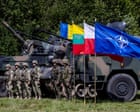
European intelligence chiefs have issued warnings that Russia's appetite for risk is increasing, manifesting in a "shadow war" characterized by sabotage and covert attacks targeting nations that support Ukraine. These actions are designed to disrupt aid and solidarity without crossing the threshold into direct military confrontation. The intelligence community is concerned that these hybrid warfare tactics are becoming more sophisticated and widespread across the continent. The primary objective of this strategy is to undermine Western resolve and capacity to assist Ukraine in its ongoing conflict with Russia. This approach allows Russia to exert pressure and sow discord while maintaining a degree of plausible deniability, making a direct military response from NATO members more complex.
These concerns are amplified by recent events and ongoing geopolitical tensions. The United Nations General Assembly, commencing in New York, is expected to heavily feature discussions on the conflicts in Ukraine, Iran, and the Gulf region. Within this broader context, the "shadow war" tactics represent a significant escalation in the non-military dimensions of the conflict. Intelligence assessments suggest that Russia is actively exploring and exploiting vulnerabilities in European infrastructure and political systems. The deliberate nature of these attacks, falling below the threshold of conventional warfare, presents a unique challenge for defense and security agencies, requiring a nuanced and coordinated response.
In parallel, the global environment is experiencing significant climatic shifts, with the "jaw-dropping" El Niño phenomenon heating the planet and breaking previous temperature records. This environmental instability adds another layer of complexity to the international landscape, potentially exacerbating existing geopolitical fragilities and resource competition. The convergence of heightened geopolitical tensions and extreme weather events underscores the interconnectedness of global challenges. Meanwhile, in the Middle East, the UK has committed to providing defensive air support to Saudi Arabia in an effort to counter Houthi fighters and stabilize the region, a move announced ahead of a significant diplomatic meeting. These developments highlight the multifaceted nature of current global affairs, where security, economic, and environmental concerns are increasingly intertwined.
Further complicating the international security picture, an inquest concerning three British aid workers killed in Gaza has requested evidence from Israeli and UK military commanders. The aid workers died when the vehicles they were traveling in were hit by an airstrike, raising critical questions about accountability and the conduct of military operations in conflict zones. The ongoing investigations and diplomatic efforts reflect the persistent challenges in managing international conflicts and ensuring the safety of humanitarian personnel. The combination of state-sponsored covert actions, environmental crises, and localized conflicts creates a volatile global environment, demanding careful analysis and strategic responses from international bodies and individual nations.
Original source — read the full reporting at the publisher:
Read on The Guardian WorldGet the weekly AI digest
AI news + new model releases, weekly. Drafted by our agents, reviewed by humans.