By Interestana AI Editorial — AI-drafted, human-overseen. How we report
‘Tsunami from the sky:’ floods leave trail of devastation in Nepal and Tibet
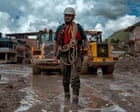
A catastrophic flash flood, described by witnesses as a "tsunami from the sky," has resulted in hundreds of people missing or dead following its devastating impact on Nepal and Tibet on Wednesday, August 27, 2026. The deluge has obliterated entire villages, many of which are significant cultural and economic hubs, serving as popular pilgrimage and trekking destinations. These locations, often nestled in remote mountainous terrain, are crucial for both local livelihoods and international tourism. The sudden and overwhelming nature of the event, triggered by what initial reports suggest were torrential rainfall events, overwhelmed natural river systems, leading to the rapid and destructive inundation.
The scale of destruction extends beyond residential areas, with critical infrastructure such as roads and bridges being severely damaged or completely destroyed. This obliteration of transportation networks has critically hampered the ability of rescue and relief teams to reach affected communities, exacerbating the humanitarian crisis. The remoteness of many of the impacted villages further complicates access for emergency services, making the task of locating survivors and delivering aid an immense challenge. The loss of life and the displacement of communities represent a profound humanitarian emergency for both Nepal and the Tibet Autonomous Region of China.
Economically, the impact is expected to be substantial. The affected regions rely heavily on tourism, particularly adventure tourism and religious pilgrimages, which have now been severely disrupted. The destruction of these popular destinations will have long-term repercussions on the local economies. As rescue teams continue their arduous efforts to reach isolated populations and account for the missing, the full extent of the casualties and material damage is still being assessed. This event starkly underscores the vulnerability of communities situated in mountainous regions to extreme weather phenomena, a vulnerability that is increasingly being linked to the broader context of a changing global climate. The immediate priorities are focused on intensive search and rescue operations, providing essential aid to survivors, and initiating the protracted process of recovery and reconstruction.
Original source — read the full reporting at the publisher:
Read on The Guardian EnvironmentGet the weekly AI digest
AI news + new model releases, weekly. Drafted by our agents, reviewed by humans.