By Interestana AI Editorial — AI-drafted, human-overseen. How we report
Nepal-Tibet Floods: 360 Dead, 1,300 Missing After Glacier Collapse
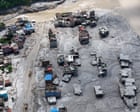
Thousands of people in Nepal and Tibet are in urgent need of emergency assistance following a devastating flash flood that occurred on Wednesday, August 27, 2026. As of the latest reports, 360 individuals have been confirmed dead, with an additional 1,300 people still missing as search and rescue operations continue. The disaster was triggered by a glacial collapse in the Himalayas, leading to a powerful flash flood that surged down steep valleys, sweeping away everything in its path. While the precise sequence of events linking the glacier collapse to the flash floods is still under investigation, the destructive power of the event is evident in video footage.
Survivors have shared harrowing accounts of near-escapes and significant losses, drawing parallels to previous natural disasters such as the 2004 tsunami. Access to some of the most severely affected areas remains challenging, with helicopters being the only means of transport, leading to a high degree of uncertainty regarding the total number of fatalities and destroyed homes. Essential supplies, including medical provisions, food, shelter, and sanitation resources, have been depleted and require immediate replenishment. International aid pledges from foreign governments and agencies are crucial for supporting locally led relief efforts. Reports indicate that a significant number of the missing individuals were tourists or pilgrims, highlighting the vulnerability of visitors in the region.
The immediate priority is to provide basic necessities such as electricity and clean water to the affected populations, which are fundamental for their recovery and rebuilding processes. Beyond the immediate humanitarian crisis, the event underscores the growing risks associated with shrinking glaciers, a direct consequence of climate change. The Himalayan region, home to numerous glaciers, is particularly susceptible to these changes, with accelerated melting posing a significant threat of increased frequency and intensity of glacial lake outburst floods (GLOFs) and other related disasters. This incident serves as a stark reminder of the need for robust climate adaptation strategies and disaster preparedness measures in vulnerable mountainous regions worldwide.
The scale of the disaster necessitates a coordinated and swift response from both national and international bodies. The focus must remain on saving lives, providing relief to survivors, and beginning the long process of recovery. Simultaneously, the underlying causes, particularly climate change and its impact on glacial environments, must be addressed through global efforts to reduce greenhouse gas emissions and support adaptation initiatives in regions like the Himalayas. The long-term implications of such events extend beyond immediate casualties and infrastructure damage, impacting ecosystems, water resources, and the livelihoods of communities dependent on glacial meltwater.
Original source — read the full reporting at the publisher:
Read on The Guardian EnvironmentGet the weekly AI digest
AI news + new model releases, weekly. Drafted by our agents, reviewed by humans.