By Interestana AI Editorial — AI-drafted, human-overseen. How we report
Climate Crisis Destabilises Nepal Mountains, Experts Warn
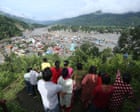
The recent devastating flash flood that swept through border communities in Nepal and Tibet has amplified concerns that the escalating climate crisis is destabilizing the geology of mountainous and polar regions, posing a significant threat to millions of people. Satellite imagery indicates that a collapse of a glacier high in the Himalayas was the principal trigger for the catastrophic torrent of mud, water, and ice. This deluge surged along the Bhotekoshi River on Wednesday, resulting in the destruction of numerous buildings and roads. The disaster has claimed at least 360 lives, with an additional 1,400 individuals reported missing. This event underscores a growing scientific consensus regarding the impact of rising global temperatures on glacial formations and the structural integrity of mountain environments. Experts have long warned that increased heat can accelerate ice melt, weakening the bonds that hold glaciers in place and increasing the risk of sudden, large-scale collapses. These collapses can unleash immense volumes of water and debris, creating flash floods with devastating downstream consequences. The specific glacier involved in this incident has not yet been officially named, but its failure released an estimated volume of water and ice sufficient to cause widespread destruction. The Bhotekoshi River, a major waterway in the region, was overwhelmed by the surge, leading to its banks overflowing and inundating surrounding areas. The geographical location, straddling the border between Nepal and Tibet (an autonomous region of China), means that the impact and response efforts involve multiple national authorities. The immediate aftermath has seen rescue and recovery operations underway, hampered by the scale of the destruction and the remote terrain. The long-term implications for the region's infrastructure, economy, and population are considerable. This incident serves as a stark reminder of the tangible and immediate dangers posed by climate change, particularly in vulnerable high-altitude ecosystems. The geological stability of such areas is intrinsically linked to temperature and precipitation patterns, both of which are being significantly altered by global warming. The potential for similar events in other glaciated mountain ranges worldwide is a growing concern for disaster preparedness and climate adaptation strategies. Further scientific investigation into the precise mechanisms of the glacier's failure and its relationship to specific climate change indicators, such as unusually high temperatures recorded this year, is expected to provide more detailed insights into this critical issue.
Original source — read the full reporting at the publisher:
Read on The Guardian WorldGet the weekly AI digest
AI news + new model releases, weekly. Drafted by our agents, reviewed by humans.