By Interestana AI Editorial — AI-drafted, human-overseen. How we report
Trump's $5,000 Dividend Promise Sparks Bipartisan Criticism
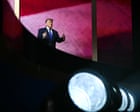
Donald Trump announced a pledge to provide every US citizen with a $5,000 "Trump dividend" if Republicans secure control of Congress in the upcoming November midterm elections. Trump made this promise during the Republican midterm convention held in Dallas, stating, "If the Republicans win, you win with us and you get $5,000." He further elaborated that this initiative would be officially named the "Trump dividend."
This proposal has been met with widespread incredulity and has drawn sharp criticism from various political figures and commentators. Critics have labeled the offer as a form of bribery aimed at securing Republican votes, arguing that it represents an irresponsible fiscal policy. The potential cost of such a program has been estimated to add approximately $1.2 trillion to the existing national debt, a figure that has raised significant alarm among economists and fiscal conservatives. The timing of the announcement, just before a crucial election, has also fueled accusations that it is a purely political maneuver designed to influence voter behavior rather than a genuine policy proposal.
Further analysis of the proposal highlights concerns about its feasibility and long-term economic impact. Providing a substantial cash payment to every citizen would require significant government expenditure, raising questions about how such a program would be funded. Potential funding mechanisms, such as increased taxation or cuts to other government programs, have not been detailed by Trump's campaign, leading to further speculation and criticism. The economic implications of injecting such a large sum of money into the economy simultaneously could also lead to inflationary pressures, a concern that has been voiced by several economic analysts. The promise, therefore, stands as a contentious point in the pre-election discourse, highlighting a stark contrast in approaches to economic policy and fiscal responsibility.
The "Trump dividend" proposal is being scrutinized not only for its financial implications but also for its potential to set a precedent for future political campaigns. Critics argue that such direct cash promises, especially those of significant value, could undermine the integrity of the electoral process by creating a transactional relationship between voters and candidates. The debate surrounding this promise underscores the broader discussion about campaign finance, economic populism, and the role of government spending in influencing election outcomes. As the midterms approach, this pledge is likely to remain a central talking point, with both supporters and detractors weighing in on its merits and drawbacks.
Original source — read the full reporting at the publisher:
Read on The Guardian WorldGet the weekly AI digest
AI news + new model releases, weekly. Drafted by our agents, reviewed by humans.