By Interestana AI Editorial — AI-drafted, human-overseen. How we report
MPs Urge Caution on Assisted Dying Bill
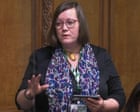
Members of Parliament from both sides of the assisted dying debate have issued a joint plea to colleagues, urging them not to employ an "extraordinary risk" parliamentary procedure to force the bill through the House of Commons if it faces continued obstruction in the House of Lords. The warning comes from two Labour MPs, Gareth Snell, who voted in favour of the bill, and Meg Hillier, who voted against it. They have penned a letter to their fellow MPs in the critical hours leading up to a significant vote scheduled for Friday. Their primary concern is that bypassing the established legislative process, particularly the scrutiny by the House of Lords, would be an imprudent and potentially damaging move for a matter of such profound public importance.
Snell and Hillier emphasize that the House of Lords has a duty to thoroughly scrutinize legislation, especially on sensitive and complex issues like assisted dying. They argue that allowing the Lords to complete their review is essential for ensuring the bill is robust, well-considered, and addresses all potential implications. Forcing the bill through without this due diligence, they contend, could lead to unintended consequences and undermine public trust in the legislative process. The MPs highlight that the bill addresses a "serious public issue," underscoring the need for careful deliberation rather than a rushed parliamentary maneuver. Their appeal is directed at preventing a procedural tactic that could override the detailed examination typically afforded to significant legislation.
The specific parliamentary procedure they are cautioning against is often referred to as "taking note" or a "carry-over" motion, which can be used to push legislation forward if one house is perceived to be blocking it. However, Snell and Hillier suggest that employing such a tactic in this instance would be an "extraordinary risk." They believe that the Lords should be allowed to fulfill their role in scrutinizing the bill, even if it means delaying its passage through the Commons. This approach, they argue, respects the bicameral nature of the UK Parliament and ensures that all perspectives and potential issues are adequately addressed. The letter serves as a direct appeal to MPs to prioritize careful legislative practice over a potentially contentious procedural victory, especially given the sensitive nature of assisted dying.
This intervention by MPs from opposing viewpoints on the assisted dying bill underscores the deep divisions and the complex ethical considerations surrounding the legislation. It also highlights the procedural intricacies of the UK Parliament and the potential for procedural disputes to become central to the legislative battle. The call for caution suggests a recognition that while there may be strong feelings on both sides of the issue, the manner in which legislation is passed is as crucial as its content. The upcoming vote on Friday will be a key indicator of whether this plea for a more deliberative approach will be heeded, or if the pressure to advance the bill will lead to the use of more forceful parliamentary mechanisms.
Original source — read the full reporting at the publisher:
Read on The Guardian WorldGet the weekly AI digest
AI news + new model releases, weekly. Drafted by our agents, reviewed by humans.