By Interestana AI Editorial — AI-drafted, human-overseen. How we report
Trump Renames Lake Ontario, Violating 232-Year Treaty
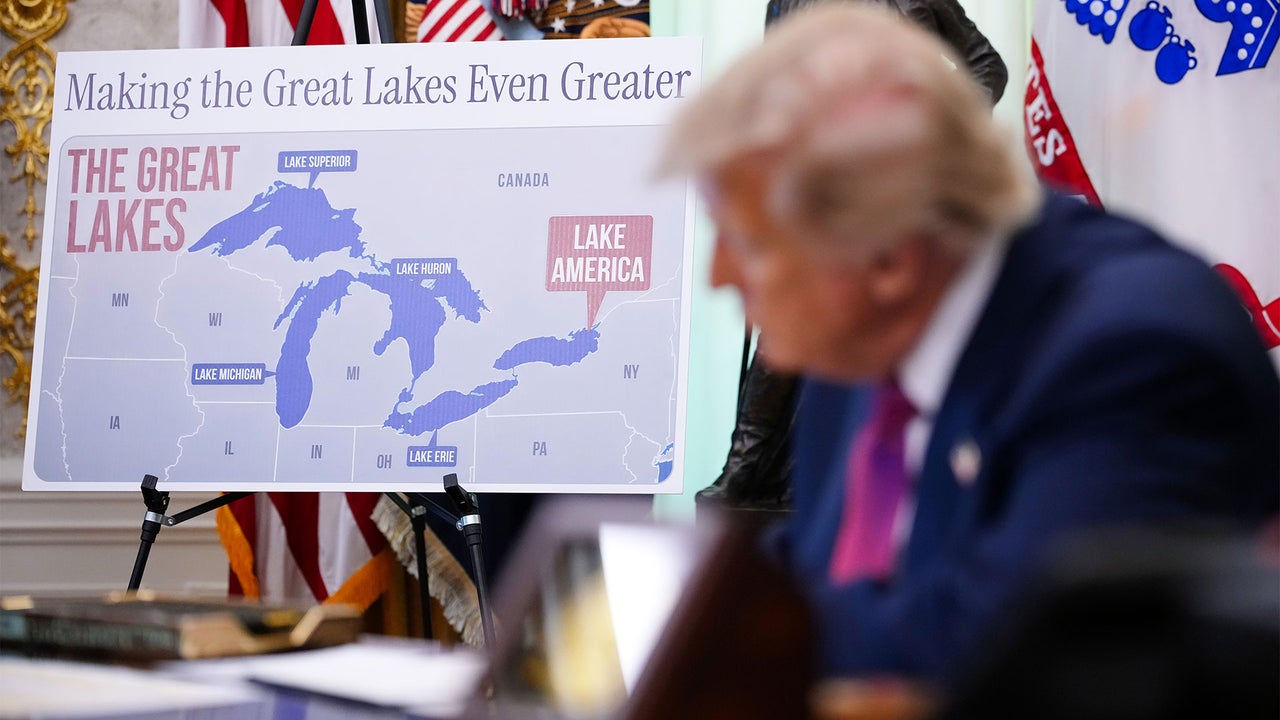
President Donald Trump signed an executive order last week directing the Interior Department to rename Lake Ontario to Lake America, a move that the president of the Seneca Nation, J. Conrad Seneca, states directly violates a 232-year-old treaty. This executive order is reportedly part of an ongoing trade dispute with Canada, following the U.S. imposition of 50% tariffs on hundreds of Canadian goods earlier in August. Trump posted on Truth Social that the U.S. was considering changing the lake's name "as we don’t expect to be doing much business with Ontario any longer." However, the name "Ontario" predates the Canadian province and has Indigenous origins. The Treaty of Canandaigua, signed by George Washington in 1794, established "peace and friendship" between the U.S. and Indigenous nations, including the Seneca Nation. This treaty also explicitly noted that the Seneca Nation's boundary begins "on Lake Ontario." Seneca alleged that Trump's order "violates that peace, friendship and commitments of the Canandaigua treaty," characterizing it as "blatant disrespect toward the Seneca people." He further stated that this is "the latest in a long history of willful attempts to disregard the United States’ commitments to the Seneca and other Haudenosaunee nations" and that "President Trump needs to be reminded of those commitments." The Seneca Nation president also highlighted the Indigenous roots of the lake's name, explaining that "Ontario" originates from the Wendat word "Kanadario," meaning "great lake." The controversy extends to mapping platforms, with social media users pointing out that services like Google Maps are now implicated in displaying the new, contested name. The executive order's disregard for the historical treaty and Indigenous heritage has drawn significant criticism, underscoring a broader pattern of perceived disrespect towards Indigenous rights and agreements. The implications for international relations and Indigenous sovereignty are significant, as the order challenges established boundaries and historical understandings formalized through treaty. The Seneca Nation's legal and cultural claims are rooted in centuries of presence and agreement, making the unilateral renaming of a significant geographical feature a direct affront to these established rights. The situation also highlights the potential for geopolitical disputes to intersect with historical injustices and treaty obligations, creating complex challenges for both domestic and international policy.
Original source — read the full reporting at the publisher:
Read on Fast CompanyGet the weekly AI digest
AI news + new model releases, weekly. Drafted by our agents, reviewed by humans.