By Interestana AI Editorial — AI-drafted, human-overseen. How we report
NSW Beaches Deploy Drones for Shark Monitoring
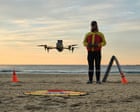
Seventy beaches across New South Wales have begun utilizing a comprehensive drone monitoring program, an initiative costing $34 million, to enhance swimmer safety and mitigate risks associated with shark activity. This dawn-to-dusk operation deploys drones to scan the waters, providing real-time surveillance and alerts. The program aims to restore confidence for swimmers and beachgoers following a series of shark attacks that have impacted the region. One expert has lauded the technology, describing it as "the best technology we have at the moment" for shark detection and public safety.
The deployment involves trained drone operators, such as Taha Kafil-Hussain from Surf Life Saving New South Wales, who actively pilot the aircraft and communicate observations. These operators are tasked with identifying potential threats, including sharks, and relaying critical information to lifeguards and beach authorities. The drones are equipped with advanced visual capabilities to effectively survey the ocean surface and shallow waters, even in varying light conditions. This proactive approach represents a significant technological advancement in beach safety protocols, moving beyond traditional methods of observation.
The $34 million investment underscores the state government's commitment to addressing public safety concerns and supporting the tourism and recreational industries that rely on safe beach access. By providing continuous aerial coverage, the drone program seeks to create a safer environment for all beach users, from casual swimmers to professional surfers. The initiative is expected to operate throughout the year, adapting to seasonal variations in marine life and beach usage patterns. The success of this program could set a precedent for other coastal regions facing similar challenges.
Surf Life Saving New South Wales plays a crucial role in the operational execution of this program, leveraging its extensive experience in water safety and emergency response. The organization's personnel are integral to the effective deployment and management of the drone fleet. This collaboration between government agencies and surf lifesaving bodies highlights a multi-faceted approach to tackling complex safety issues. The program's implementation is a direct response to the growing need for innovative solutions in the face of increasing shark encounters, aiming to balance the enjoyment of coastal environments with the imperative of public protection.
Original source — read the full reporting at the publisher:
Read on The Guardian EnvironmentGet the weekly AI digest
AI news + new model releases, weekly. Drafted by our agents, reviewed by humans.