By Interestana AI Editorial — AI-drafted, human-overseen. How we report
Trump Reverses Biden Fuel Efficiency Standards
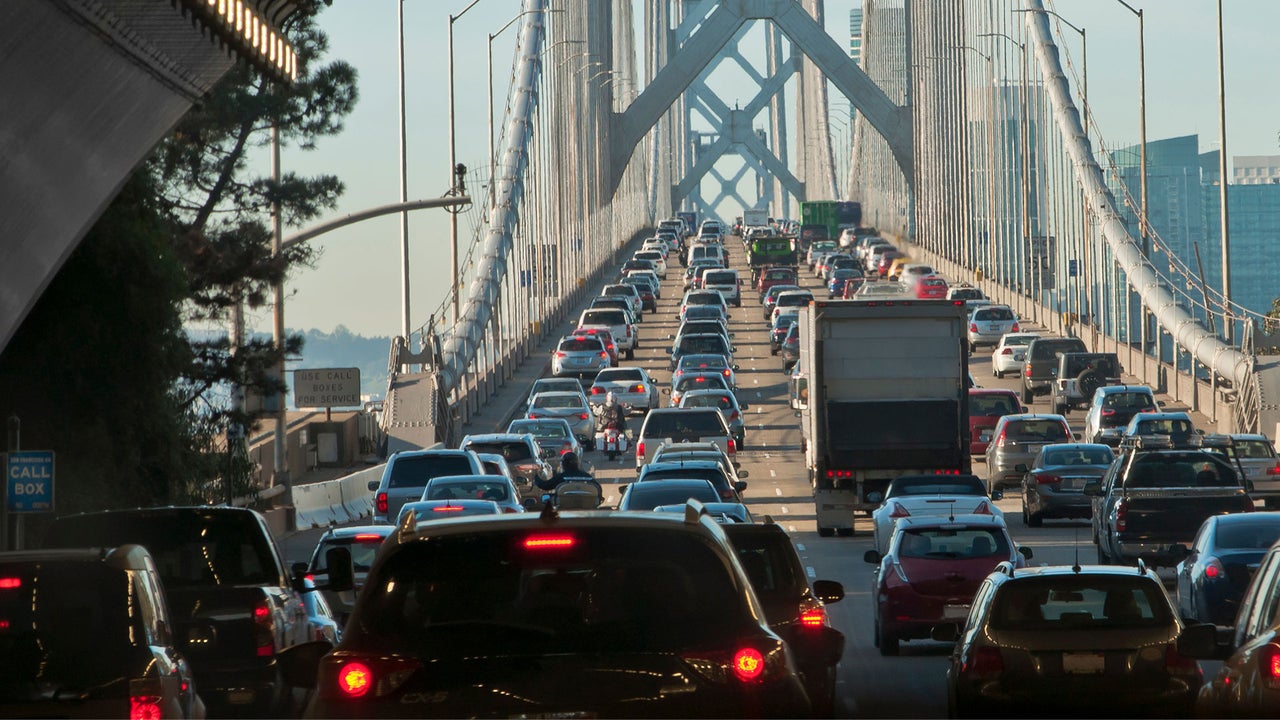
The Department of Transportation, through the National Highway Traffic Safety Administration (NHTSA), finalized new rules on Monday that significantly reverse fuel efficiency standards previously established by the Biden administration. The revised standards reduce the target for new vehicles to average 34.9 miles per gallon (mpg) by the year 2031, a substantial decrease from the previous goal of 50.4 mpg. President Donald Trump announced the reversal over the weekend via his Truth Social account, characterizing the changes as a termination of what he described as a "ridiculous EV mandate." Despite a past cordial relationship with Tesla CEO Elon Musk, Trump has publicly criticized electric vehicles, referring to them as "environmental monsters."
Transportation Secretary Sean Duffy asserted that the Biden administration's former fuel efficiency standards "made our roads less safe and drove up costs for hardworking Americans." The Department of Transportation estimates that these relaxed standards will decrease the average cost of a new vehicle by $1,300 and potentially save lives by stimulating new car sales. Duffy stated in a company release that the administration has "finally ended the illegal mandate that forced automakers to produce more expensive electric vehicles that American families didn’t want," adding that "This administration is delivering relief to families and reviving the beating heart of American manufacturing." While no federal policy explicitly mandates the production of electric vehicles, the Trump administration contends that its predecessors' fuel efficiency standards were "set so high that they created a backdoor electric vehicle mandate."
The rollback of these fuel efficiency standards has generated polarized reactions. John Bozzella, president and CEO of the Alliance for Automotive Innovation, expressed concern, noting that the new standards are "significantly weaker" than those previously set. He highlighted that the previous standards would have driven innovation and investment in cleaner technologies, and that the rollback could lead to increased emissions and a slower transition to more fuel-efficient vehicles. Bozzella also pointed out that the automotive industry had already committed to significant investments based on the prior, more stringent regulations. Conversely, groups supporting the rollback, such as the American Petroleum Institute, have welcomed the decision, arguing that it provides flexibility for consumers and supports the continued production of internal combustion engine vehicles, which they believe are still essential for meeting transportation needs. They also suggest that the previous standards placed an undue burden on manufacturers and consumers, potentially limiting vehicle choice and increasing prices. The debate centers on balancing environmental goals with economic considerations and consumer affordability, with differing perspectives on the role of government regulation in shaping the automotive market and the pace of technological transition.
Original source — read the full reporting at the publisher:
Read on Fast CompanyGet the weekly AI digest
AI news + new model releases, weekly. Drafted by our agents, reviewed by humans.