By Interestana AI Editorial — AI-drafted, human-overseen. How we report
Pharma Patents Triple, Delaying Generic Drug Access
Pharmaceutical companies have significantly increased their patent filings on small-molecule drugs, a practice that researchers suggest contributes to persistently high prescription drug prices in the United States. A study published on Monday in JAMA analyzed patent data and found that the average number of patents per drug approved has more than tripled since 1990. In 1990, small-molecule drugs had an average of 2.1 patents, a figure that rose to 6.9 patents per drug by 2019. This substantial increase, representing a 3.28-fold growth, is largely attributed to a surge in "nonprimary" patents.
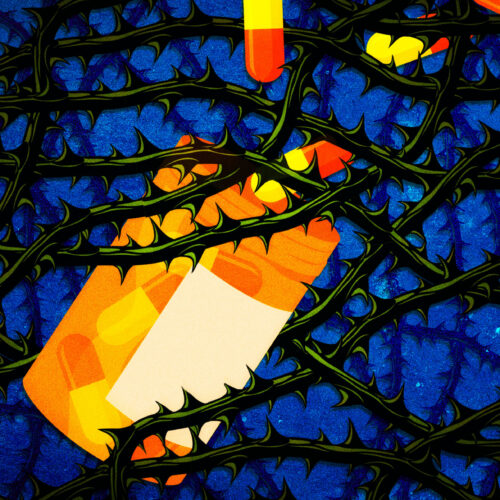
These nonprimary patents do not typically cover the core active ingredient of a drug. Instead, they are often granted for minor modifications to a drug's formulation, such as changes to inactive ingredients, new methods of drug administration, or the development of specialized delivery devices like auto-injectors. While these patents may represent incremental improvements or logistical enhancements, they collectively contribute to what is known as a "patent thicket." A patent thicket refers to a dense web of overlapping patents surrounding a single product, which can make it legally and practically challenging for generic drug manufacturers to enter the market.
The accumulation of these secondary patents serves to extend the period of market exclusivity for brand-name drugs. By creating a complex legal barrier, pharmaceutical companies can delay the introduction of more affordable generic alternatives, thereby maintaining higher prices for longer durations. This strategy can persist even when the original patent on the active ingredient has expired. The study highlights that this patent exploitation is a significant factor contributing to the high cost of prescription medicines in the U.S., a persistent issue that impacts healthcare affordability for American consumers.
The findings from the JAMA study underscore a broader concern about the U.S. patent system's role in drug pricing. While patents are intended to incentivize innovation by granting temporary monopolies, the extensive use of secondary patents suggests a potential for gaming the system to prolong market dominance beyond the intended scope of innovation protection. This practice directly affects the accessibility and affordability of essential medications for patients, exacerbating the already significant burden of healthcare costs in the United States. The research provides concrete data illustrating the scale of this patent expansion over three decades, linking it directly to the ongoing challenge of high drug prices.
Original source — read the full reporting at the publisher:
Read on Ars TechnicaGet the weekly AI digest
AI news + new model releases, weekly. Drafted by our agents, reviewed by humans.