By Interestana AI Editorial — AI-drafted, human-overseen. How we report
Trump Vowed to Take Venezuela's Oil
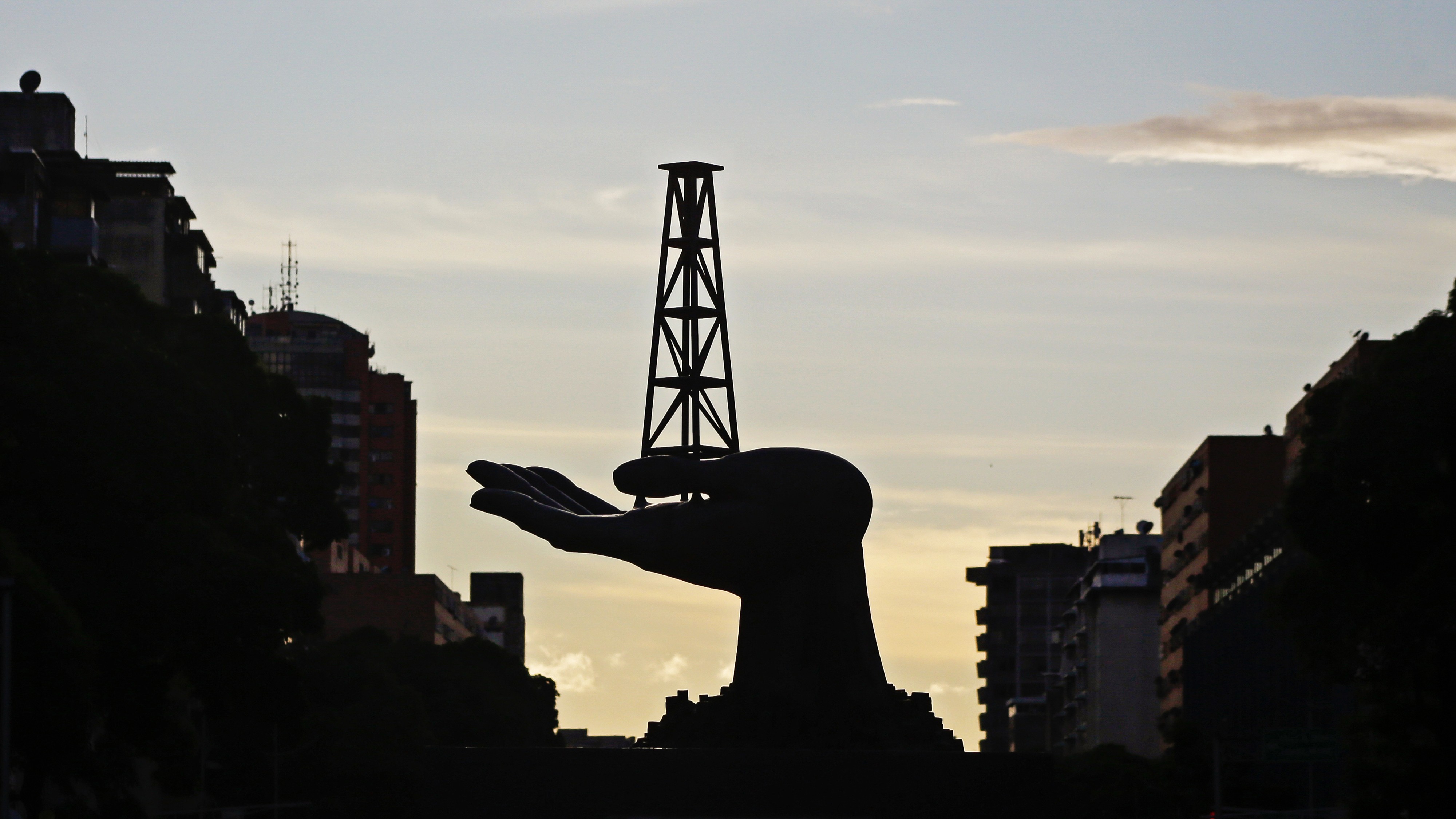
Donald Trump repeatedly stated his intention to seize Venezuela's oil reserves, a declaration that underscores his transactional and amoral approach to foreign policy. These statements, made during his presidency and reiterated in subsequent remarks, suggest a willingness to disregard international law and norms in favor of perceived national or personal benefit. The former president's pronouncements on Venezuela's oil were not mere rhetorical flourishes but were presented as concrete policy objectives. During a 2019 interview with Axios, Trump explicitly stated, "We're protecting Venezuela. We're protecting it. We're protecting it. We're going to protect it. We're going to protect the oil."
This stance reflects a broader pattern in Trump's foreign policy, characterized by a focus on bilateral deals and a skepticism towards multilateral agreements and established diplomatic protocols. His administration often pursued a "America First" agenda, which, in practice, translated into prioritizing perceived economic advantages and demonstrating strength over fostering long-term alliances or adhering to international legal frameworks. The potential seizure of a sovereign nation's natural resources, even one as economically embattled as Venezuela, represents a significant departure from traditional diplomatic practices and could have far-reaching implications for global stability and international relations. The implications of such a policy, if enacted, would extend beyond the immediate economic impact on Venezuela, potentially setting a dangerous precedent for resource-rich nations and emboldening other actors to pursue similar aggressive tactics.
Venezuela, under the leadership of Nicolás Maduro, has been grappling with a severe economic and humanitarian crisis, exacerbated by U.S. sanctions. The country possesses some of the largest proven oil reserves in the world, making its oil sector a critical component of its economy, albeit one that has been mismanaged and is currently under international scrutiny. Trump's repeated focus on the oil, rather than on humanitarian concerns or democratic reforms, highlights a pragmatic, and some would argue cynical, view of international engagement. This perspective prioritizes tangible assets and immediate gains over the complex and often protracted processes of diplomacy and nation-building. The consistent articulation of this policy objective by Trump suggests it was a core element of his foreign policy vision for the region, intended to exert leverage and secure resources.
Critics argue that such a policy would not only be a violation of international law but would also destabilize an already volatile region, potentially leading to further conflict and humanitarian suffering. The focus on resource acquisition over diplomatic solutions or humanitarian aid paints a picture of a foreign policy driven by a transactional mindset, where nations are viewed primarily as sources of economic or strategic advantage. This approach, as exemplified by the repeated vows to take Venezuela's oil, represents a significant departure from established norms of international conduct and raises questions about the future of global governance and the role of international law in shaping state behavior.
Original source — read the full reporting at the publisher:
Read on The AtlanticGet the weekly AI digest
AI news + new model releases, weekly. Drafted by our agents, reviewed by humans.