By Interestana AI Editorial — AI-drafted, human-overseen. How we report
Trump's Populist Instincts Wane as Public Engagement Declines
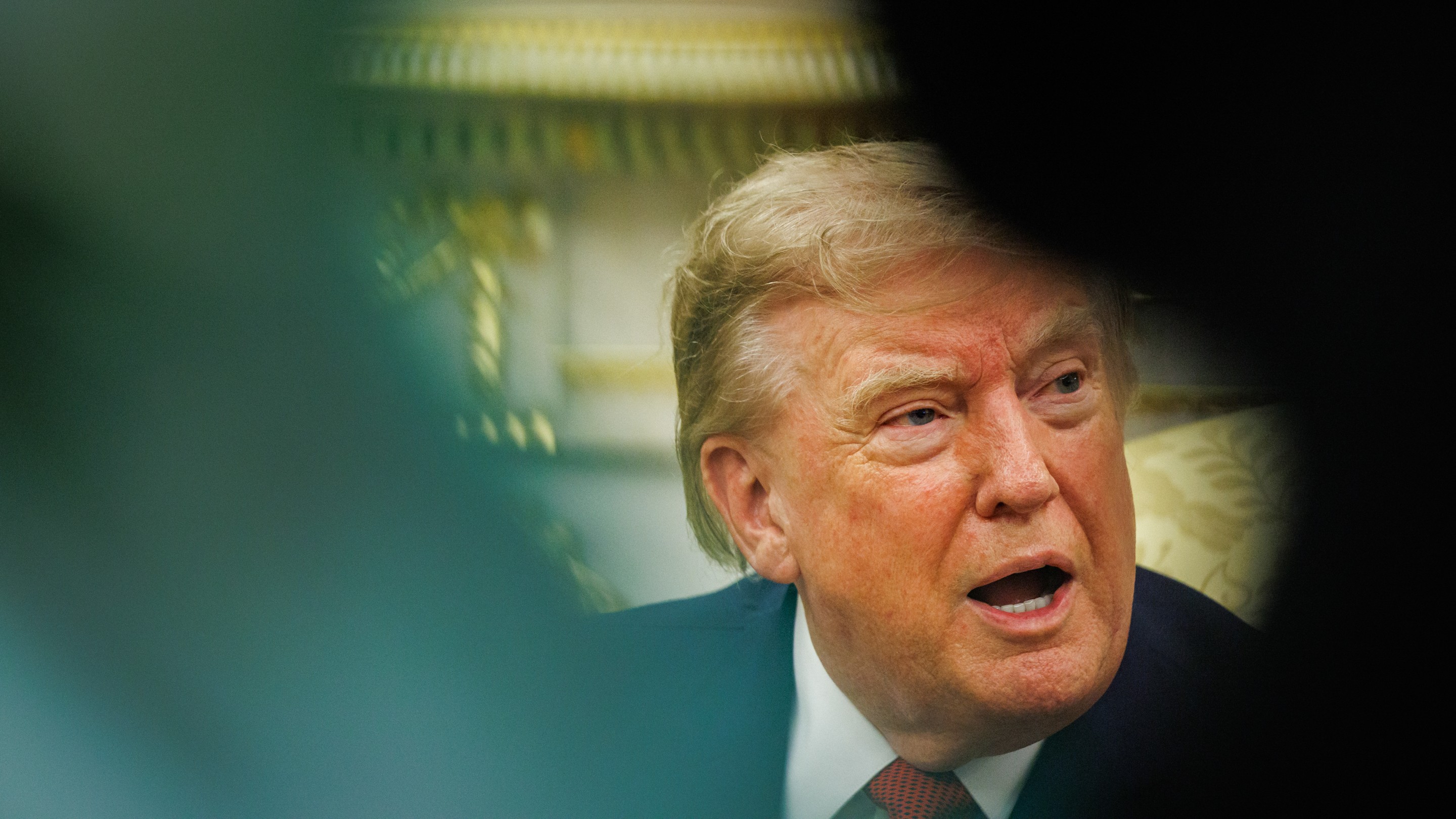
Donald Trump's populist instincts, a cornerstone of his political success, are reportedly faltering due to a perceived decline in his direct engagement with his core supporters. This shift is characterized by a reduced frequency of large-scale public rallies, which historically served as vital platforms for him to connect with his base and articulate his populist message. The diminishing number of these events suggests a potential disconnect developing between the former president and the very constituents who have fueled his political movements.
Analysts suggest that Trump's strategy has historically relied on a direct, unfiltered communication style delivered through rallies, social media, and other public appearances. These events allowed him to gauge public sentiment, rally enthusiasm, and reinforce his image as an outsider fighting against established political and media elites. However, as his time spent in these direct engagements decreases, his ability to tap into and effectively mobilize populist sentiment may be diminishing. This could lead to a less potent or less responsive base, potentially impacting his influence and electoral prospects.
The former president's populist appeal has been defined by themes of economic nationalism, anti-immigration sentiment, and a critique of globalism and established institutions. These themes resonated deeply with a segment of the American electorate who felt left behind by economic changes and alienated by mainstream political discourse. The effectiveness of these messages, however, is often amplified and sustained through consistent and visible public advocacy. Without the regular reinforcement provided by rallies and other direct interactions, the potency of these messages could wane, making them less impactful over time.
This perceived decline in public touch is not solely attributed to a reduction in rallies but also to broader shifts in how political figures engage with the electorate. While social media remains a tool for communication, it often lacks the visceral impact and direct feedback loop that a live rally provides. The absence of these frequent, high-energy gatherings may mean that Trump's populist message is not reaching or resonating with his base as effectively as it once did. This could create an opening for alternative voices or strategies to capture the attention and loyalty of the populist movement, potentially altering the political landscape.
Original source — read the full reporting at the publisher:
Read on The AtlanticGet the weekly AI digest
AI news + new model releases, weekly. Drafted by our agents, reviewed by humans.