By Interestana AI Editorial — AI-drafted, human-overseen. How we report
German Far Right AfD Poised for Postwar Breakthrough
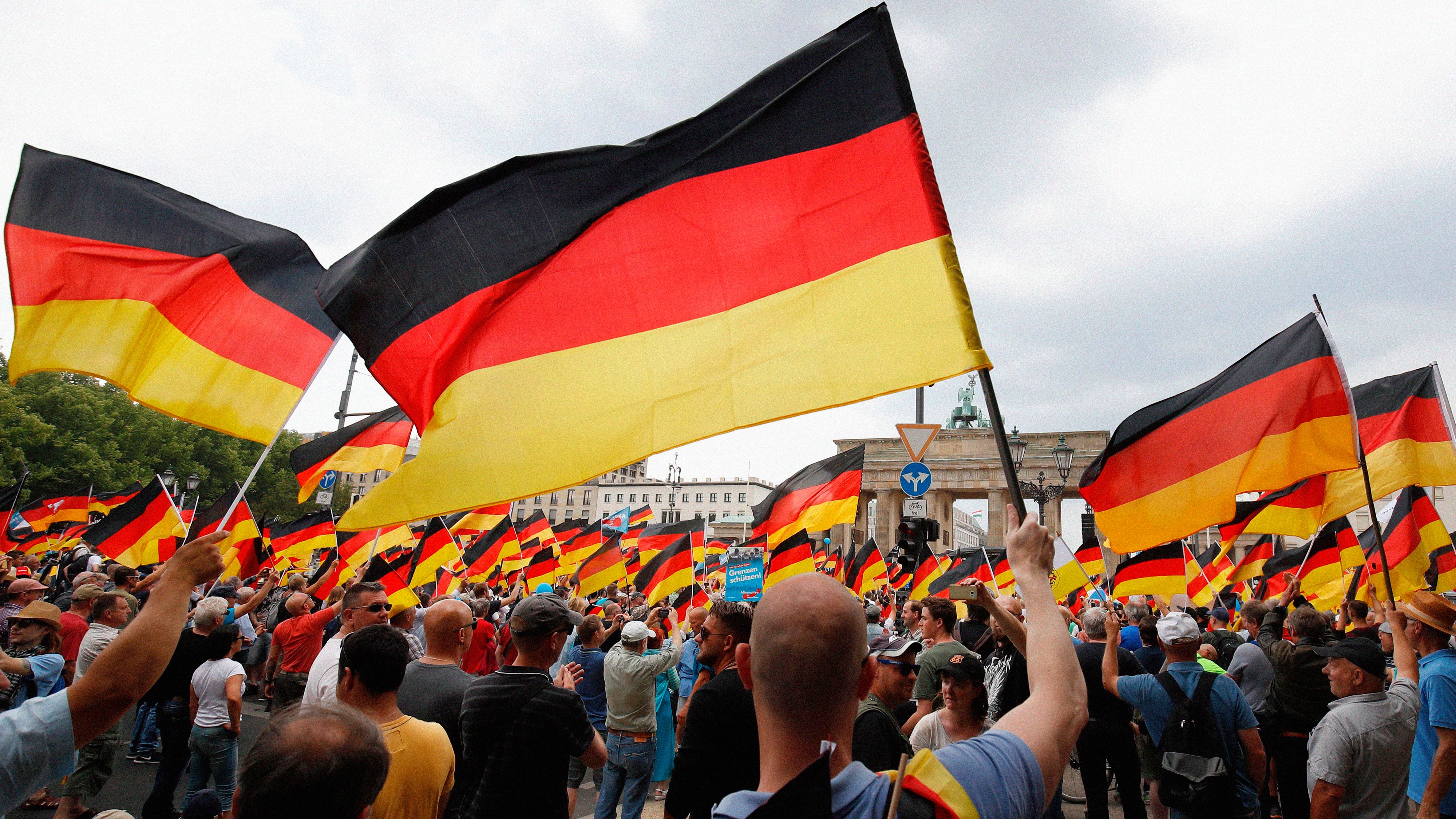
Germany's far-right Alternative for Germany (AfD) party is positioned to achieve a historic milestone next month, potentially securing a state governorship for the first time in the country's postwar era. This development marks a significant shift in the German political landscape, where far-right parties have historically struggled to gain executive power at the state level. The AfD's potential breakthrough is largely attributed to its strong performance in recent polls, particularly in the eastern German states.
Recent polling data indicates that the AfD could emerge as the strongest party in at least two eastern German states, Saxony and Thuringia, in upcoming state elections. In Thuringia, the AfD's candidate for state governor, Björn Höcke, has garnered substantial support, despite facing legal challenges and widespread condemnation for his past remarks. Höcke, a prominent figure within the party, has been classified by the German domestic intelligence agency as a "proven extremist." The potential election of a governor with such a background would represent an unprecedented situation for postwar Germany, raising concerns among mainstream political parties and civil society groups.
The AfD's rise in eastern Germany is a complex phenomenon influenced by a variety of factors, including economic disparities, dissatisfaction with federal government policies, and concerns over immigration. The party has successfully tapped into a vein of public discontent, presenting itself as an anti-establishment alternative to the traditional parties. While the AfD has gained seats in state parliaments and the federal Bundestag in the past, winning a state governorship would grant it significant executive authority and a powerful platform to implement its agenda.
The prospect of an AfD-led government in an eastern state has prompted intense debate and concern across Germany. Mainstream parties, including Chancellor Olaf Scholz's Social Democrats (SPD), the Greens, and the Christian Democrats (CDU/CSU), have largely ruled out forming coalitions with the AfD, creating a potential governance deadlock. This situation highlights the challenges faced by Germany's democratic institutions in responding to the growing influence of a party whose ideology is viewed by many as a threat to democratic values and the country's postwar consensus. The outcome of these elections will have significant implications for the future direction of German politics and the stability of its federal system.
Original source — read the full reporting at the publisher:
Read on The AtlanticGet the weekly AI digest
AI news + new model releases, weekly. Drafted by our agents, reviewed by humans.