By Interestana AI Editorial — AI-drafted, human-overseen. How we report
Trump Calls for Windfall Tax on Oil Profits
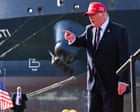
Donald Trump has stated that oil companies are "making too much money" due to the Iran war, a sentiment that has drawn criticism from environmentalists and consumer advocates who argue his own policies have benefited the industry. Tyson Slocum, energy program director at Public Citizen, a consumer advocacy nonprofit, asserted that Trump's accommodation and "giveaways to the industry" have enabled "price-gouging." Slocum further commented that if Trump genuinely believes oil companies are profiting excessively, he should support the implementation of a windfall profits tax. This call for a tax comes in the wake of significant financial reports from major oil corporations. On Friday, both ExxonMobil and Chevron announced substantial profits for the second quarter of the year. Chevron reported its earnings had increased by nearly 400%, reaching $12 billion, while Exxon's profits more than doubled to $14.5 billion. In response to these figures, Trump stated on Monday evening that these companies "ought to give some of that back to the public." The context of these profits is linked to the ongoing Iran war, with Trump's administration having previously pursued policies that critics argue were designed to bolster the oil industry. The debate highlights a tension between corporate profits, geopolitical events, and calls for economic fairness, with advocates suggesting that a windfall tax could redistribute some of these extraordinary profits back to the public. The concept of a windfall tax typically targets companies that experience sudden and significant profit increases due to external factors, such as geopolitical events or commodity price spikes, rather than through innovation or increased efficiency. Environmental groups have long advocated for such taxes as a means to fund renewable energy initiatives and address climate change, arguing that fossil fuel companies should bear a greater financial responsibility for the environmental impact of their products. The current political climate, with its focus on energy prices and corporate accountability, provides a backdrop for these discussions. The specific reference to the "Iran war" suggests a connection between the conflict and the surge in oil prices, a common phenomenon during periods of geopolitical instability in oil-producing regions. The juxtaposition of Trump's past policies, which critics claim favored the oil industry, with his current statements on excessive profits creates a complex political narrative. Consumer advocacy groups, like Public Citizen, often monitor the energy sector for signs of market manipulation or unfair pricing practices, and the recent profit reports from ExxonMobil and Chevron have provided them with new grounds for scrutiny and advocacy. The call for a windfall tax is not new, but it gains renewed traction when major corporations report record profits, especially during times of economic hardship or international conflict that can impact consumer costs. The effectiveness and feasibility of implementing such a tax remain subjects of ongoing debate among economists and policymakers, with arguments often centering on potential impacts on investment, global competitiveness, and the definition of "excessive" profits.
Original source — read the full reporting at the publisher:
Read on The Guardian WorldGet the weekly AI digest
AI news + new model releases, weekly. Drafted by our agents, reviewed by humans.