By Interestana AI Editorial — AI-drafted, human-overseen. How we report
Trump Trade War Could Trigger US Quantitative Easing
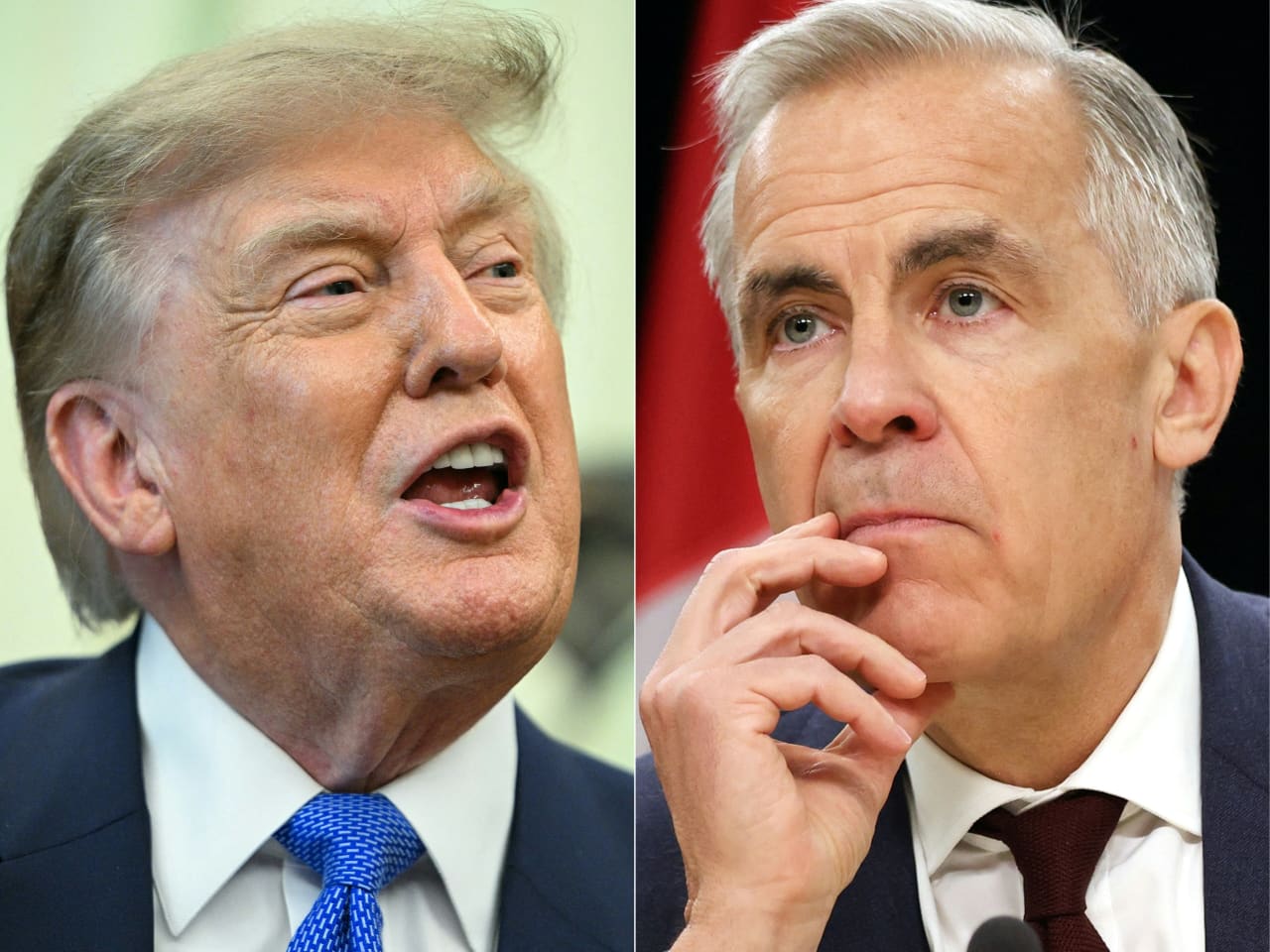
A renewed trade conflict initiated by former U.S. President Donald Trump, specifically targeting Canada, could necessitate the U.S. Federal Reserve's return to quantitative easing (QE) policies. This economic measure, which involves the central bank injecting liquidity into the financial system by purchasing assets, has historically been employed during periods of economic distress or to stimulate growth. The potential for such a policy shift is being analyzed for its broad implications across various asset classes, including gold, stocks, and long-term bonds.
Quantitative easing involves the Federal Reserve buying government bonds and other securities from banks and financial institutions. This process increases the money supply, lowers interest rates, and encourages lending and investment. The last significant period of QE in the United States occurred in the aftermath of the 2008 financial crisis and continued through the COVID-19 pandemic. The prospect of its reintroduction signals a potential economic downturn or a severe disruption to trade flows that would warrant such an unconventional monetary policy response.
If the U.S. were to re-engage in quantitative easing, the immediate effects could be positive for gold prices. Gold is often seen as a safe-haven asset, and its value tends to rise when investors are concerned about economic instability or inflation, both of which can be consequences of aggressive trade policies and subsequent monetary easing. Similarly, stock markets might experience a temporary boost as increased liquidity can drive up asset prices. However, the long-term sustainability of this stock market performance would depend on the underlying economic conditions and the effectiveness of the QE program in addressing the root causes of the economic stress.
Long-term bonds could also see their prices increase, leading to lower yields, as the Federal Reserve becomes a significant buyer in the bond market. When central banks purchase bonds, they increase demand, which drives up bond prices and consequently lowers their yields. This effect is particularly pronounced for longer-duration bonds. However, the reintroduction of QE could also signal inflationary pressures, which would typically lead to higher interest rates in the longer term, potentially creating a complex and uncertain environment for bond investors. The specific impact on each asset class will ultimately depend on the scale and duration of the quantitative easing program, as well as the broader geopolitical and economic context in which it is implemented.
Original source — read the full reporting at the publisher:
Read on MarketWatchGet the weekly AI digest
AI news + new model releases, weekly. Drafted by our agents, reviewed by humans.