By Interestana AI Editorial — AI-drafted, human-overseen. How we report
Trump's Strategy: In Charge, Never Responsible
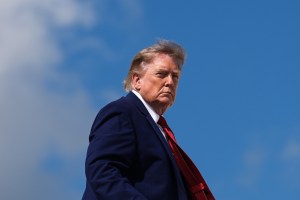
Donald Trump has consistently demonstrated a political strategy characterized by asserting control over all matters while simultaneously deflecting responsibility when negative outcomes arise. This approach contrasts sharply with the historical presidential ideal encapsulated by the phrase "The buck stops here." For instance, when faced with concerns about a weak economy and persistent inflation, Trump attributes these issues to his predecessor, Joe Biden, despite Biden having been out of office for over 18 months and Trump's own prior promises of an immediate economic turnaround. Similarly, the problematic refurbishment of the Lincoln Memorial Reflecting Pool, which suffered damage, was blamed by Trump on vandalism. However, the office of a prosecutor appointed by Trump has indicated that the damage was a result of substandard workmanship. In the context of the increasingly unpopular war in Iran, which has led to elevated oil prices, diminished approval ratings, and global economic instability, Trump frames his actions as necessary to compensate for the perceived timidity of previous presidents who, in his view, failed to curb Tehran's nuclear ambitions over nearly five decades. While all modern presidents engage in some degree of responsibility shifting, often by blaming predecessors or Congress, Trump's methodology represents a significant escalation, effectively adopting a de facto political stance of being in charge of everything but accountable for nothing when things go awry. Nicole Anslover, a history professor at Florida Atlantic University and author of "Harry S. Truman: The Coming of the Cold War," affirmed that "Taking responsibility being a characteristic of presidential leadership—or any kind of leadership—is absolutely true." This tendency to assign blame is particularly prominent as the November midterm elections approach, a critical period for Republicans seeking to maintain their congressional majority. Trump's reluctance to accept blame can also manifest as a denial of problems altogether, potentially leaving Republican leaders in closely contested races with little assurance for voters that their concerns are being adequately addressed. The White House, in its defense, asserts that Trump is actively working to rectify long-standing issues.
Original source — read the full reporting at the publisher:
Read on FortuneGet the weekly AI digest
AI news + new model releases, weekly. Drafted by our agents, reviewed by humans.