By Interestana AI Editorial — AI-drafted, human-overseen. How we report
Iran Proposes Law to Criminalize Foreign Media Contact
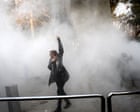
Iran has initiated steps to criminalize all forms of contact with foreign media, a legislative proposal that human rights organizations contend aims to "sever the entire Iranian society from the rest of the world." This proposed law, currently under discussion by Iranian lawmakers this month, could transform interactions with international audiences and organizations into potential criminal offenses. It also poses a significant threat to the reporting of events within Iran, including the widespread anti-regime protests that occurred in January. The potential ramifications extend beyond professional journalists and researchers to encompass ordinary citizens, effectively stifling independent information flow and public discourse.
This legislative push follows a pattern of increasing restrictions on freedom of expression and association within Iran. The proposed law is seen by critics as a further attempt by the government to control narratives and suppress dissent. By criminalizing contact with foreign media, the Iranian authorities could effectively isolate the country from international scrutiny and prevent the dissemination of information that challenges the official state narrative. This could have a chilling effect on civil society, discouraging any form of engagement with international bodies or media outlets, thereby limiting avenues for advocacy and awareness-raising on critical issues within Iran.
The implications of such a law are far-reaching, potentially impacting academic research, cultural exchange, and humanitarian efforts that rely on communication with international partners. For instance, a photojournalist was recently sentenced to 15 years in prison, highlighting the severe penalties that can be imposed for perceived transgressions against state control of information. This proposed legislation would institutionalize and broaden such punitive measures, making any interaction with entities outside of Iran's tightly controlled information ecosystem a high-risk endeavor. The broad scope of the proposed law suggests an intent to create a pervasive atmosphere of fear and self-censorship, thereby reinforcing the government's grip on power and information.
Human rights groups have voiced grave concerns that this move represents a significant escalation in the government's crackdown on civil liberties. They argue that such legislation would not only impede the work of journalists and researchers but also criminalize basic civic engagement, turning legitimate interactions into security-related offenses. The potential for this law to be used as a tool to silence critics and further isolate Iran from global dialogue is a primary concern for international observers and advocates for human rights. The proposed law is a clear indication of the government's commitment to tightening its control over information and limiting any external influence on its domestic affairs.
Original source — read the full reporting at the publisher:
Read on The Guardian WorldGet the weekly AI digest
AI news + new model releases, weekly. Drafted by our agents, reviewed by humans.