By Interestana AI Editorial — AI-drafted, human-overseen. How we report
Trump Administration Halts Support for Key Arctic Environmental Report Amidst Accelerating Climate Crisis
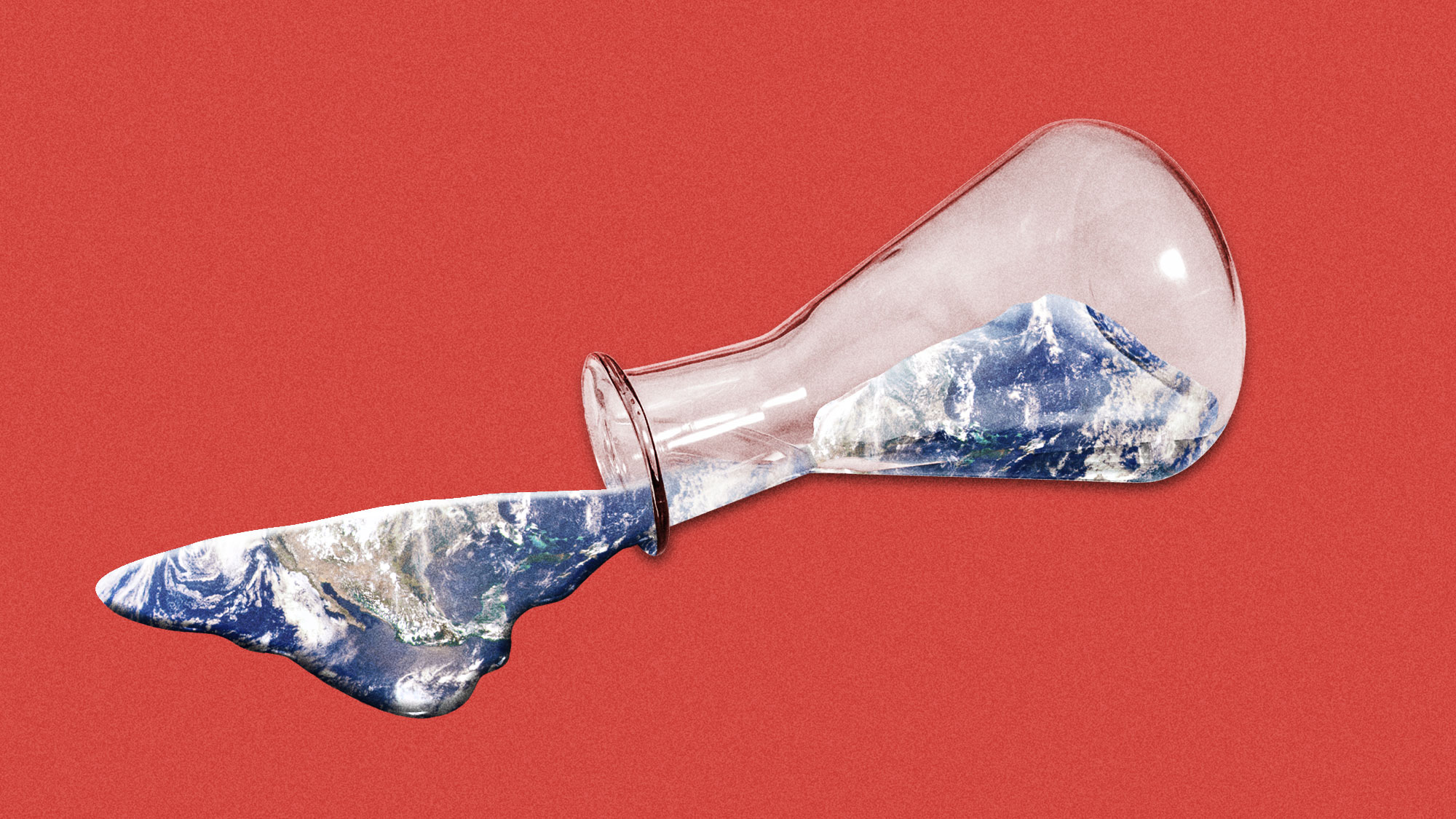
The Trump administration has officially withdrawn its support for the annual Arctic Report Card, a crucial and long-standing assessment of environmental changes occurring in the Arctic region. This decision, confirmed by Kim Doster, the communications director for the National Oceanic and Atmospheric Administration (NOAA), signifies that the federal agency will no longer facilitate the coordination of this important report. The Arctic Report Card has served as a vital source of peer-reviewed environmental updates for scientists, policymakers, and the public since its inception in 2006, providing a consistent and authoritative overview of the region's ecological health.
While the specific reasons for the government's withdrawal of support were not publicly explained by Doster, she informed The New York Times that NOAA would cease its role in coordinating the 2026 edition. However, she emphasized that all data historically contributed by NOAA to the report would continue to be collected and would remain publicly accessible, ensuring that the underlying scientific information is not lost. Doster also clarified that other NOAA programs would persist in their efforts to support Arctic research, focusing on areas deemed critical for national security, enhancing weather prediction capabilities, ensuring the safety of maritime navigation, and contributing to the economic vitality of coastal communities.
The Arctic Report Card, over its nearly two-decade history, has meticulously tracked significant environmental shifts across the Arctic's atmosphere, oceans, cryosphere (frozen parts of the Earth, including glaciers and sea ice), and tundra. The Arctic is currently experiencing warming at a rate approximately four times faster than the global average, a stark indicator of the escalating climate crisis. Recent editions of the report have documented alarming trends, including severe declines in sea ice extent, potential reversals in the Arctic's role as a carbon sink, and widespread ecosystem disruptions.
For instance, the 2025 Arctic Report Card highlighted that surface temperatures across the Arctic from October 2024 through September 2025 were the warmest recorded since 1900. Furthermore, it revealed that in March 2025, Arctic winter sea ice reached its lowest annual maximum extent in the 47-year satellite record. On land, the report detailed the ongoing loss of glaciers, a phenomenon that directly contributes to steadily rising global sea levels. This rise poses significant threats to Arctic communities, including compromised freshwater supplies, increased risks of destructive floods, and a heightened incidence of landslides and tsunamis. The withdrawal of support for this comprehensive environmental assessment, at a time when the Arctic is undergoing such profound and accelerating changes due to climate change, represents a significant development with potential implications for future Arctic research and policy.
Original source — read the full reporting at the publisher:
Read on GristGet the weekly AI digest
AI news + new model releases, weekly. Drafted by our agents, reviewed by humans.