By Interestana AI Editorial — AI-drafted, human-overseen. How we report
Cacao Traded to Georgia 1,000 Years Ago
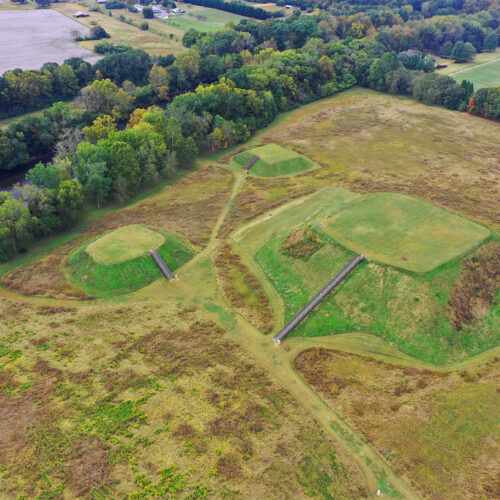
Cacao, the raw ingredient for chocolate, was consumed in what is now northern Georgia approximately 1,000 years ago, according to evidence from an 11th-century feast at the Indigenous city of Etowah. Potsherds recovered from this ancient site, located north of present-day Atlanta, Georgia, contained chemical residues and ancient DNA fragments of *Theobroma cacao*. This discovery indicates that the Mississippian people who inhabited Etowah possessed extensive trade networks that extended at least 3,000 kilometers (approximately 1,864 miles) to Central America, the native region of the cacao tree.
The presence of cacao, a tropical plant, in the temperate woodlands of the eastern United States necessitates sophisticated long-distance trade routes. Cacao trees, the source of chocolate, thrive only in tropical climates. The nearest natural sources of cacao would have been thousands of kilometers away from Etowah. This finding suggests a remarkable level of economic and social organization among the Mississippian culture, enabling the acquisition of exotic goods from distant lands. The archaeologists involved in the study, including University of South Carolina archaeologist Adam King and his colleagues, utilized fragments of ancient DNA extracted from the inner surfaces of the potsherds to identify the presence of *Theobroma cacao*. The beans from the cacao tree's fruit are processed through drying and roasting to produce chocolate.
This archaeological evidence not only highlights the dietary practices and sophisticated tastes of the Mississippian people but also underscores the vast reach of their trade connections. The implications of this discovery extend to understanding the development of Mississippian society, including the construction of monumental earthworks, often referred to as mounds. While the article does not explicitly detail how cacao might have contributed to mound construction, it suggests a potential link, possibly through the economic or social capital generated by such valuable trade goods. The study of these ancient artifacts provides a tangible connection to the past, revealing a complex pre-Columbian world with interconnected economies and the movement of valuable commodities across vast geographical distances. The analysis of chemical residue and ancient DNA offers a powerful method for reconstructing ancient diets and trade patterns, shedding light on the lives of people who lived centuries ago.
Original source — read the full reporting at the publisher:
Read on Ars TechnicaGet the weekly AI digest
AI news + new model releases, weekly. Drafted by our agents, reviewed by humans.