By Interestana AI Editorial — AI-drafted, human-overseen. How we report
Greek Orthodox Priest Clarifies Views on Homosexuality
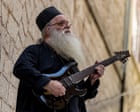
Father Dionysios Tabakis, a Greek Orthodox priest who has gained a cult following in experimental music circles for his drone metal and religious dubstep album, has issued a public statement clarifying his positions on homosexuality and the Greek radical right. Tabakis, whose musical output has been described as a fusion of religious themes and avant-garde sounds, stated that his views are in line with the doctrines of the Orthodox Church, asserting "nothing more, nothing less." He emphasized his personal philosophy of inclusivity and compassion, stating, "As can be seen from my musical expression, I am in favour of unity, love, empathy and help for every needy, wronged and suffering person in life." Tabakis extended this sentiment to all individuals, regardless of their background or beliefs, adding, "Whoever they are, whatever they believe, whether they are a saint or a sinner." This clarification comes amidst public attention drawn by his unique artistic endeavors and his role as a clergyman. The priest's musical work, which has garnered attention from outlets like The Guardian for its experimental nature, blends elements of doom metal and religious dubstep, creating a distinct sonic landscape that has resonated with a niche audience. His public persona as both a priest and a musician has led to scrutiny and interest in his broader social and theological viewpoints. Tabakis's statement aims to address potential misinterpretations of his stance, particularly concerning sensitive social issues. By reiterating his adherence to Orthodox Church teachings while also promoting a message of universal love and support, he seeks to present a consistent and unambiguous position. The Greek Orthodox Church, like many traditional Christian denominations, holds specific theological views on matters of sexuality, which Tabakis's statement indicates he upholds. His emphasis on empathy and aid for all individuals, however, suggests a pastoral approach that prioritizes human connection and assistance, irrespective of personal circumstances or perceived moral standing. The context of his clarification is important, as figures in religious and public life often face questions about how their personal beliefs and professional roles intersect with contemporary social debates. Tabakis's dual identity as a priest and a musician places him in a unique position to engage with these discussions, and his statement reflects an effort to navigate this intersection with clarity and adherence to his religious tradition.
Original source — read the full reporting at the publisher:
Read on The Guardian WorldGet the weekly AI digest
AI news + new model releases, weekly. Drafted by our agents, reviewed by humans.