By Interestana AI Editorial — AI-drafted, human-overseen. How we report
Toyota and Nissan Halt Production After Japan Earthquake
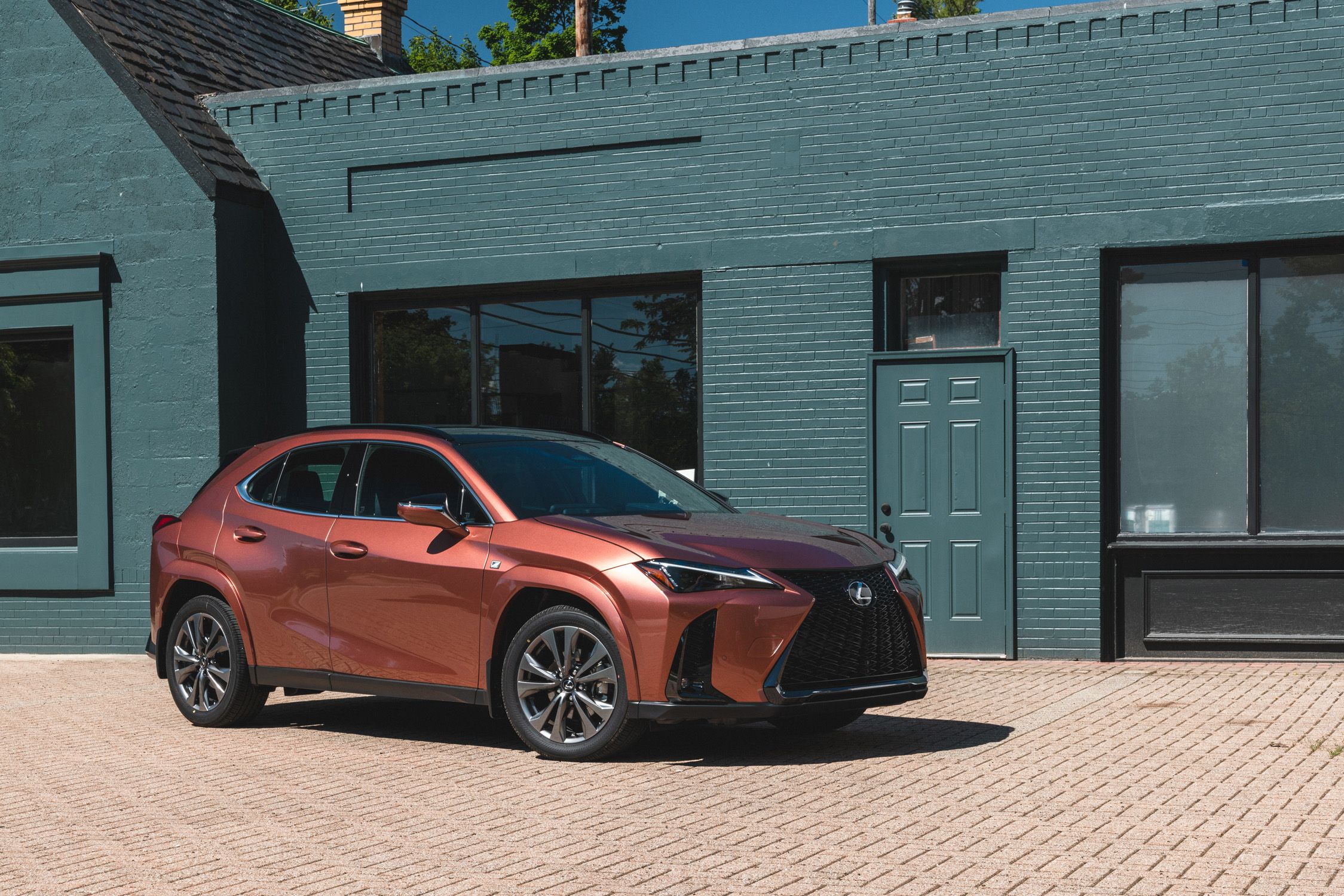
Toyota and Nissan, two of Japan's leading automotive manufacturers, have announced the suspension of production at several of their plants located in southwestern Japan. This decision comes in the wake of a powerful earthquake that struck the region, causing significant damage and disrupting operations. The full extent of the earthquake's impact on the automotive supply chain is still being assessed, but initial reports suggest that the production halts could affect the availability of new vehicles destined for international markets, including the United States.
Toyota, the world's largest automaker, has confirmed that its facilities in the Kyushu region, specifically in Fukuoka and Kumamoto prefectures, have ceased operations. These plants are crucial for the production of various models, some of which are exported globally. The company stated that it is currently evaluating the damage to its manufacturing equipment and infrastructure to determine the timeline for resuming normal production. The earthquake's tremors have raised concerns about the structural integrity of the plants and the safety of its workforce, leading to the precautionary shutdown.
Similarly, Nissan has also reported production stoppages at its Kyushu plant in Fukuoka Prefecture. This facility is a key manufacturing hub for several of Nissan's popular models. The company is working to assess the damage and ensure the safety of its employees before restarting operations. The disruption at these major automotive production centers highlights the vulnerability of global supply chains to natural disasters. The immediate aftermath of the earthquake has seen a surge in demand for safety inspections and repair services in the affected areas, further complicating the resumption of industrial activities.
The potential impact on vehicle deliveries to the United States is a significant concern for both automakers and consumers. The U.S. market relies heavily on vehicles manufactured in Japan, and any prolonged disruption could lead to shortages and increased prices. Industry analysts are closely monitoring the situation, as a sustained halt in production could have ripple effects across the automotive sector, influencing inventory levels and sales forecasts for the remainder of the year. Both Toyota and Nissan have indicated that they will provide further updates as more information becomes available regarding the duration of the production suspension and the estimated impact on their global output.
Original source — read the full reporting at the publisher:
Read on Car and DriverGet the weekly AI digest
AI news + new model releases, weekly. Drafted by our agents, reviewed by humans.