By Interestana AI Editorial — AI-drafted, human-overseen. How we report
Trump Open to Chinese EVs Made in US
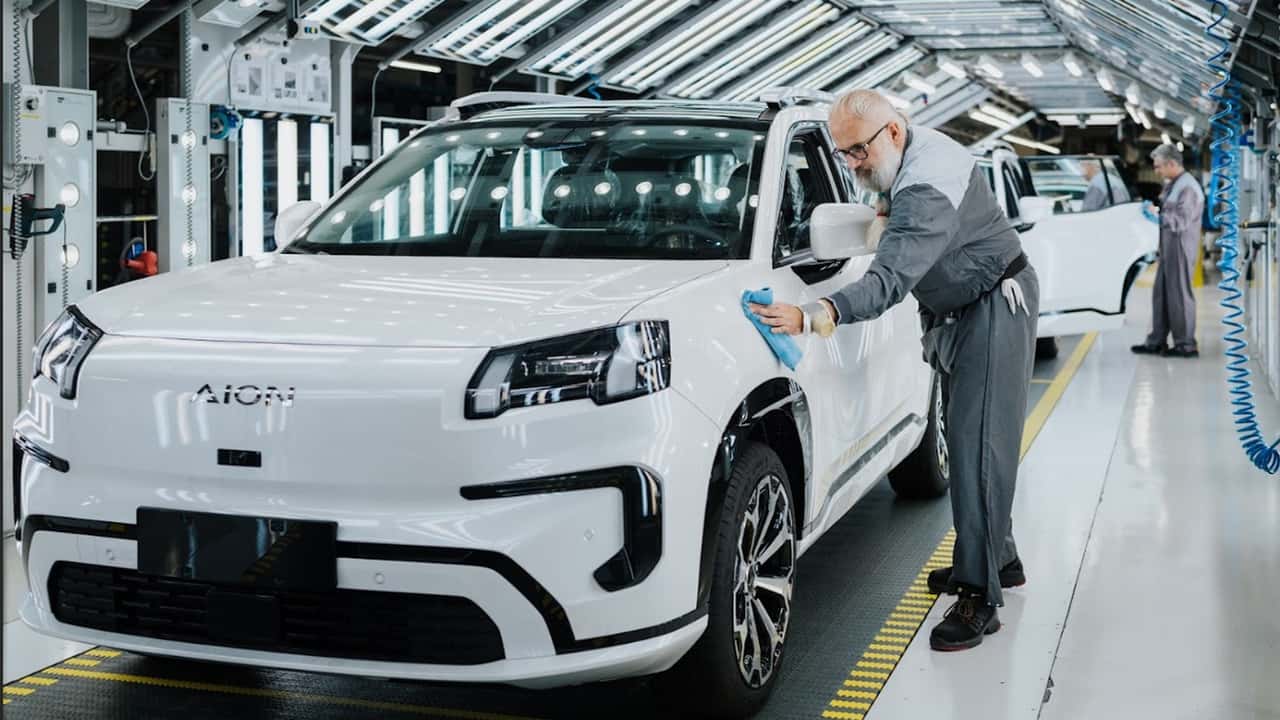
Former President Donald Trump expressed openness to the idea of Chinese electric vehicles (EVs) entering the United States market, with a significant caveat: they must be manufactured within the U.S. This statement was made during an appearance on Fox News, indicating a potential shift in his stance on foreign automotive imports, particularly those originating from China. Trump's condition directly addresses concerns about domestic job creation and manufacturing capabilities. However, current U.S. trade laws and regulations present substantial hurdles to such a scenario. The U.S. imposes tariffs and import restrictions that would need to be navigated, and establishing manufacturing facilities in the U.S. for Chinese companies involves complex logistical, economic, and political considerations. This hypothetical scenario touches upon broader debates surrounding international trade, protectionism, and the future of the automotive industry, especially as electric vehicles become increasingly prominent. Trump's past policies often favored domestic production and imposed tariffs on goods from countries like China, making this statement a notable point of discussion. The feasibility of Chinese automakers establishing U.S. factories would depend on various factors, including investment incentives, labor costs, supply chain integration, and the overall geopolitical climate. The automotive sector is a critical component of the U.S. economy, and any significant policy shift regarding foreign investment and production would have far-reaching implications for American workers, manufacturers, and consumers. The specific details of how such an arrangement would be implemented, including potential tax structures, regulatory frameworks, and oversight mechanisms, remain undefined. Trump's remarks suggest a willingness to explore conditional market access, prioritizing domestic manufacturing over outright bans, which could signal a nuanced approach to trade policy if he were to return to office. The statement also comes at a time when the global automotive industry is undergoing a rapid transition towards electrification, with both established automakers and new entrants vying for market share. The U.S. government has also been actively promoting domestic EV production and battery manufacturing through various legislative measures and incentives, aiming to bolster the national supply chain and reduce reliance on foreign sources. Trump's conditional acceptance of Chinese EVs could be interpreted as an attempt to leverage foreign investment for domestic industrial growth, albeit under strict manufacturing requirements. The practical challenges of enforcing such a condition, ensuring compliance, and managing the economic impact would require detailed policy development and international negotiation. The statement does not specify any particular Chinese automotive brands or companies, nor does it outline a timeline or a specific legislative pathway for such a policy to be enacted. It remains a broad statement of principle, contingent on the critical condition of U.S.-based manufacturing.
Original source — read the full reporting at the publisher:
Read on InsideEVsGet the weekly AI digest
AI news + new model releases, weekly. Drafted by our agents, reviewed by humans.